☧
The Biblical Case
What Is the Pre-Tribulation Rapture?
A clear definition of the rapture, its participants and purpose, the main timing views, and the passages that shape the pre-tribulation case.
This library is a guided study path through Marc LaClear’s main articles on the pre-tribulation rapture, Revelation, Daniel, preterism, Israel and the church, and common objections. New readers should begin with the best-case overview, then follow the topical clusters that match their questions.
The articles are grouped by question rather than by controversy. Some explain the positive biblical case; others answer objections about Matthew 24, the last trumpet, tribulation saints, imminence, church history, and the first resurrection. Each article aims to state the issue clearly, work through the main texts, and give a conclusion with appropriate limits.
If you are studying a specific passage, use the search box or the clusters below. If you are studying the whole doctrine, read the overview first, then move through the biblical-case and common-objections sections in order.
A clear definition of the rapture, its participants and purpose, the main timing views, and the passages that shape the pre-tribulation case.
A careful response on Darby, Pseudo-Ephraem, early-church claims, Morgan Edwards, and the limits of historical arguments.
A text-centered response on Matthew 24, Thessalonians, imminence, Greek terminology, restraint, and the church in Revelation.
A pastoral response on comfort, persecution, preparedness, Enoch and Noah, Jesus’ warnings, and the misuse of escape language.
A fair test of Revelation’s timing statements, partial preterism’s future boundary, and the texts that preserve bodily resurrection and final consummation.
The definitive cumulative case from John 14, Thessalonians, Corinthians, Daniel, Revelation, and Romans, with the five strongest objections answered fairly.
The meeting language in 1 Thessalonians 4 is tested against ancient reception imagery, John 14, and public-appearing passages.
Parousia, apokalypsis, and epiphaneia are examined to see whether Greek vocabulary alone can disprove distinguishable phases of Christ’s return.
Second Thessalonians 2:3 is studied through grammar, context, apostasy/departure arguments, the man of lawlessness, and pastoral correction.
The restrainer is examined through Paul’s sequence, lawlessness, Daniel 7, Revelation 13, and the debated role of the Spirit-indwelt church.
Ephesians 2 is read for Jew-Gentile unity in Christ while asking whether unity cancels Israel’s prophetic future.
Romans 11’s olive tree, hardened Israel, grafted Gentiles, and “all Israel” are weighed against replacement-theology claims.
Romans 4:13 is tested to see whether Abraham inheriting the world expands Israel’s land promise or cancels it.
Revelation’s saints, church, bride, and martyrs are distinguished so post-rapture salvation is not confused with the church’s present calling.
Ribera, Lacunza, Irving, and Darby are separated from internet-origin claims so history is not used as a substitute for exegesis.
Pseudo-Ephraem, Morgan Edwards, and early sources are handled as historical evidence, not as prooftexts for the whole pre-trib system.
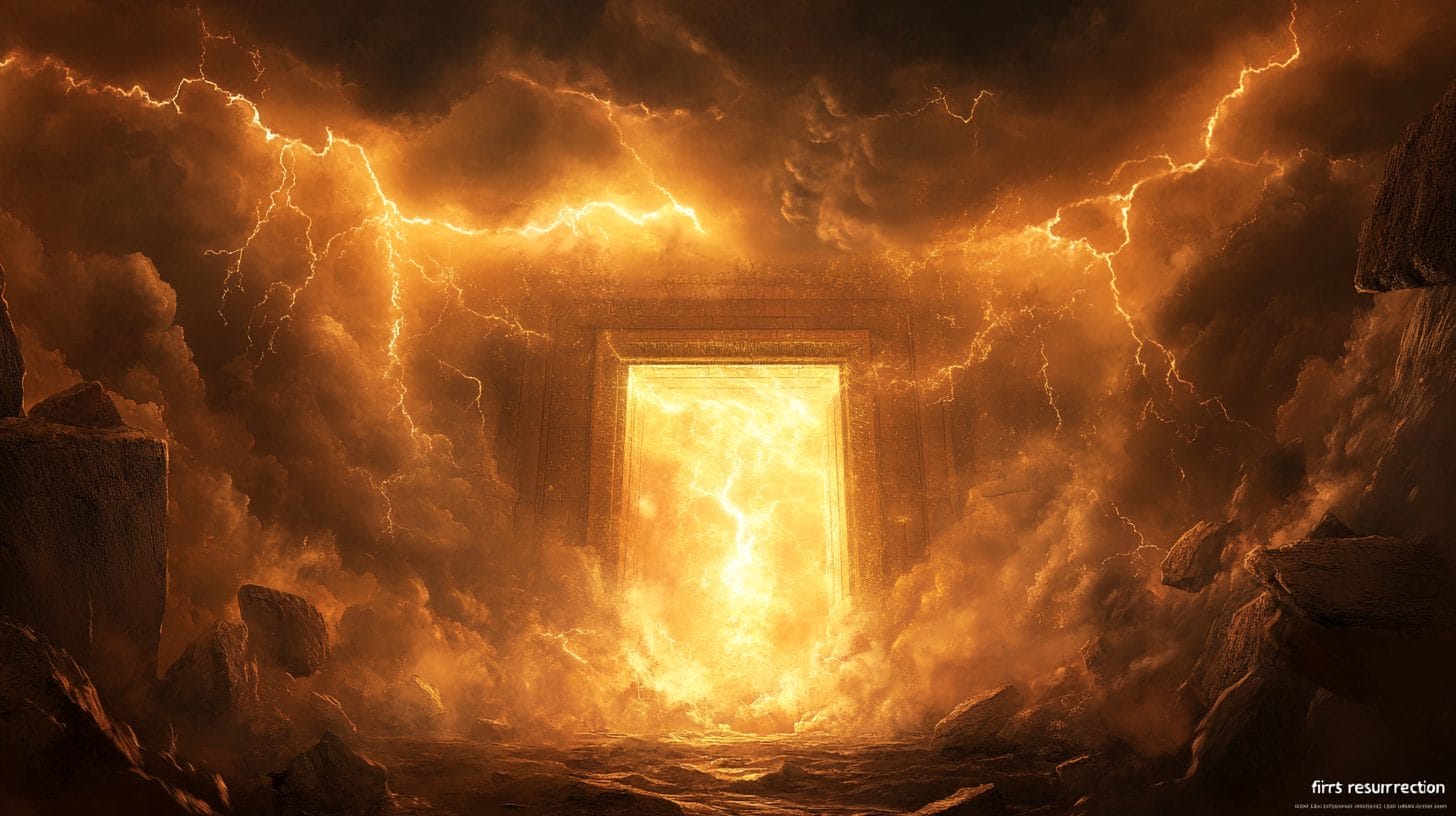
How Revelation 20, 1 Thessalonians 4, and 1 Corinthians 15 can describe a resurrection unto life with ordered participants.
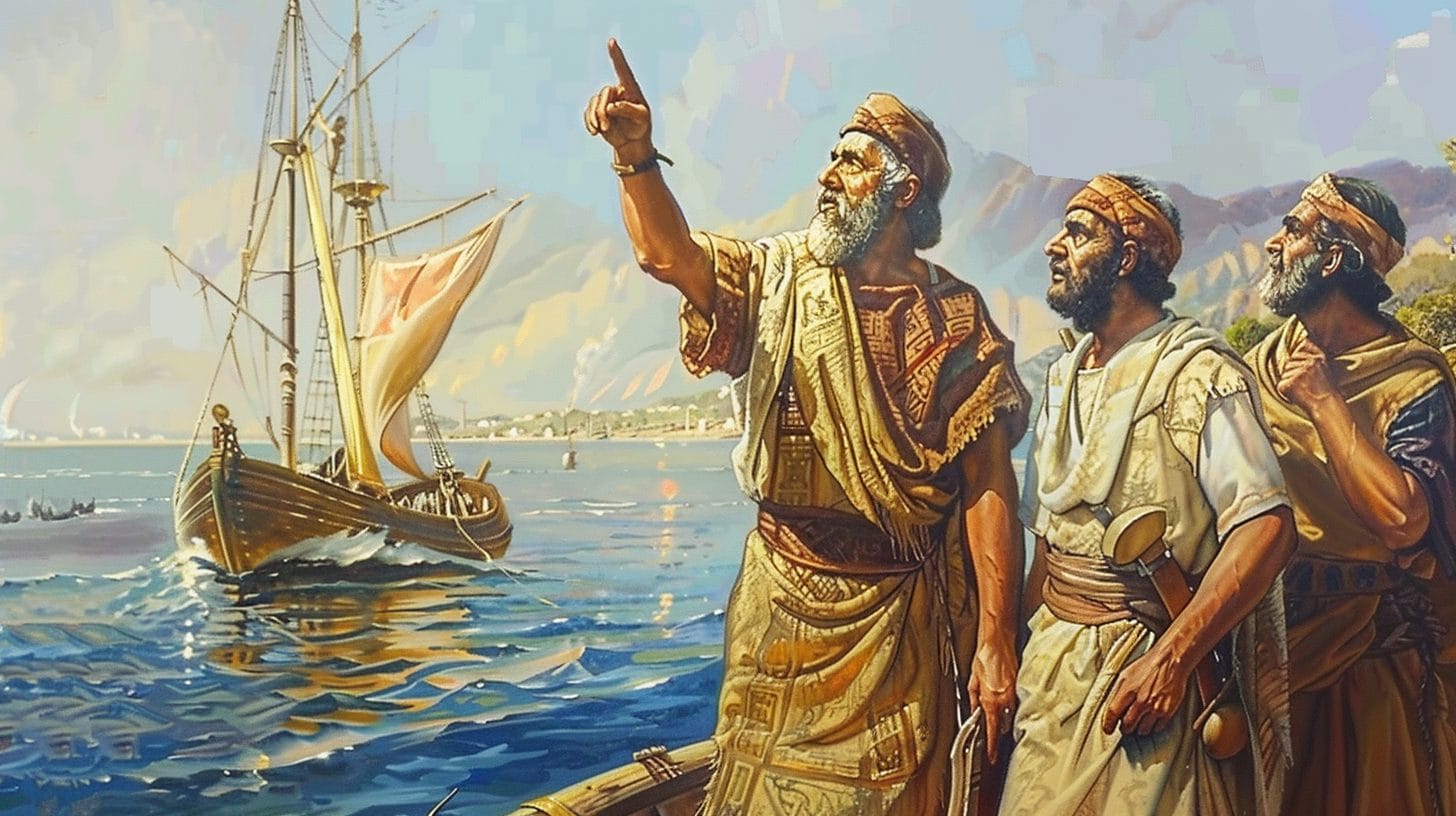
Gomer appears in Genesis 10:2–3 as a son of Japheth and later appears in Ezekiel 38:6 as part of the coalition associated with Gog. Because Ezekiel’s prophecy names ancient peoples rather…
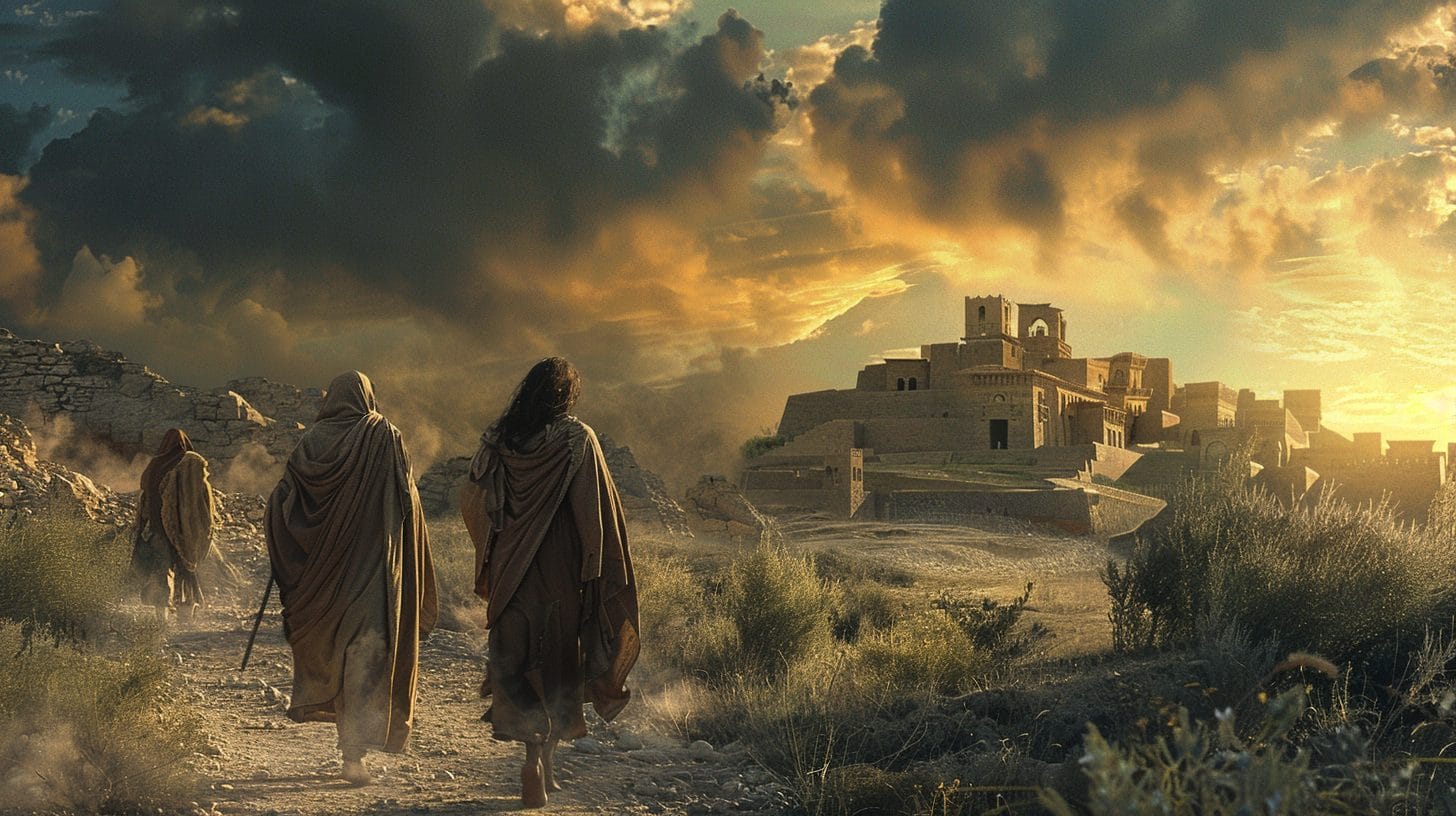
Meshech and Tubal are ancient names that appear in biblical genealogies and in Ezekiel’s prophecy concerning Gog. They are often discussed in relation to modern geography, but they should…
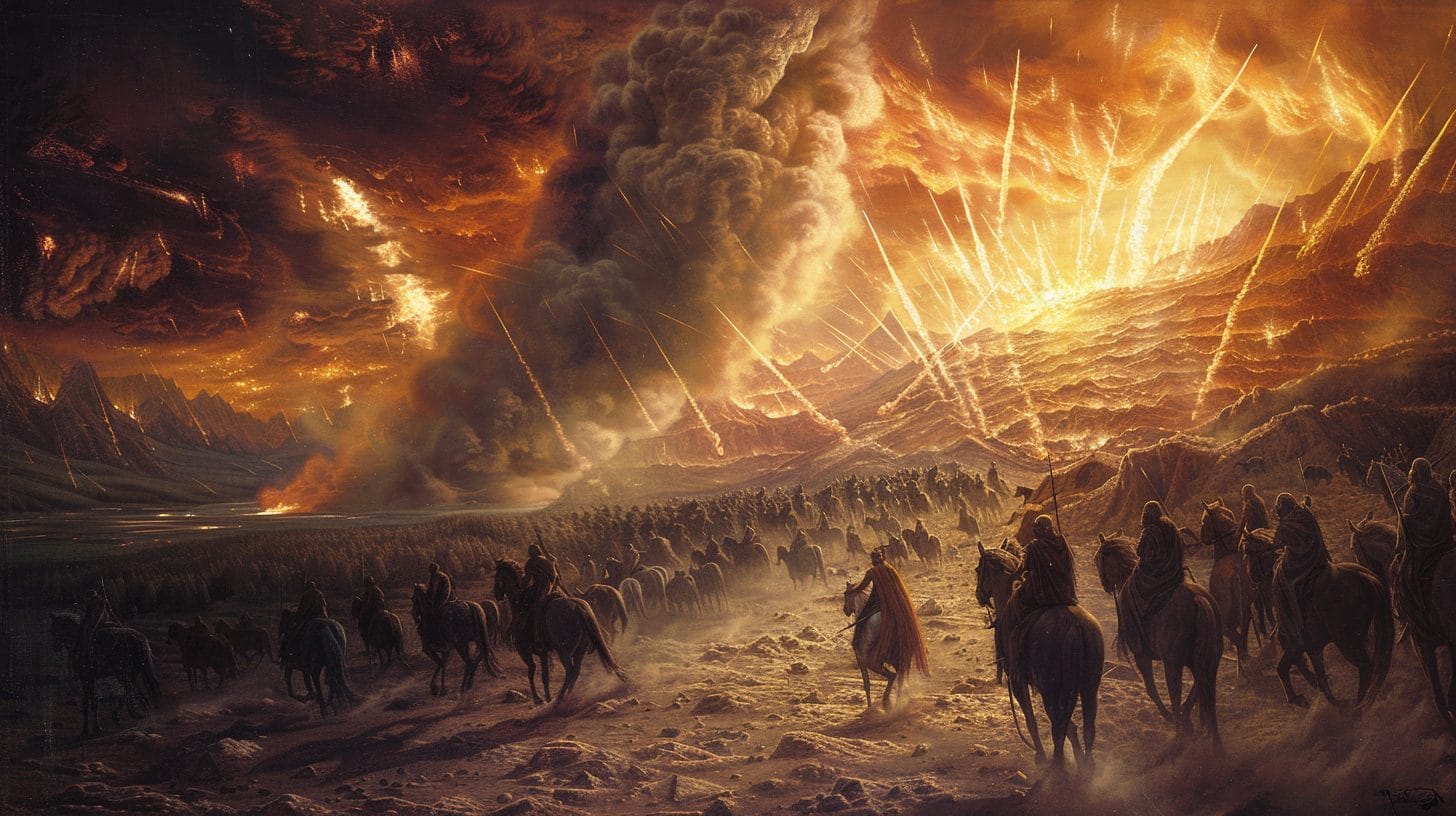
Ezekiel 38–39 describes a major future attack against Israel by Gog and his coalition. Revelation 20:7–10 also uses the names “Gog and Magog” for a later rebellion after the thousand years.…
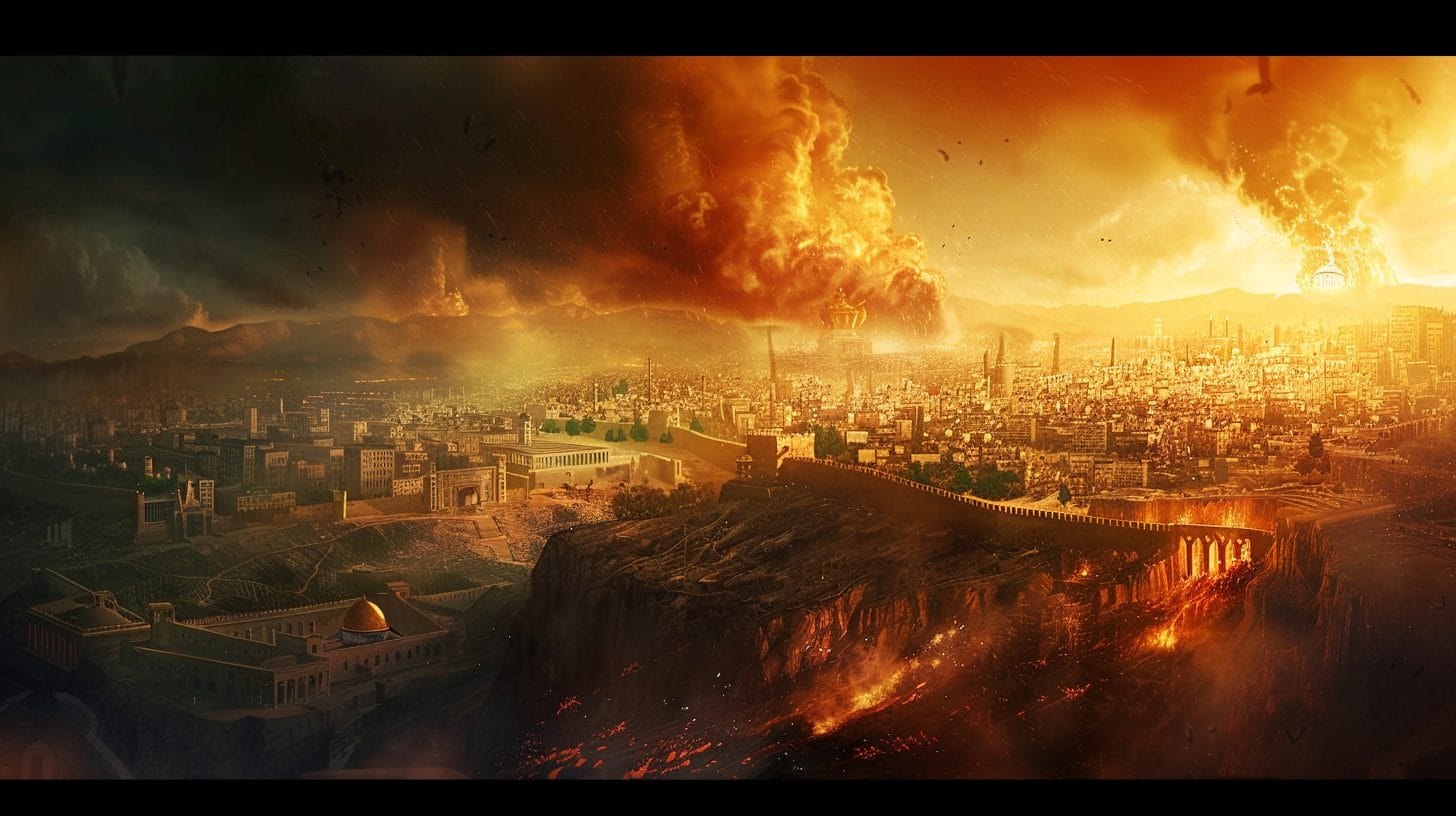
Ezekiel 38–39, Genesis 10, and Revelation 20 are compared before making cautious claims about Gog, Magog, and modern nations.

Daniel 9 is read from Daniel’s prayer through Gabriel’s seventy sevens, showing how Israel, Jerusalem, Messiah, and the final week shape the timeline.
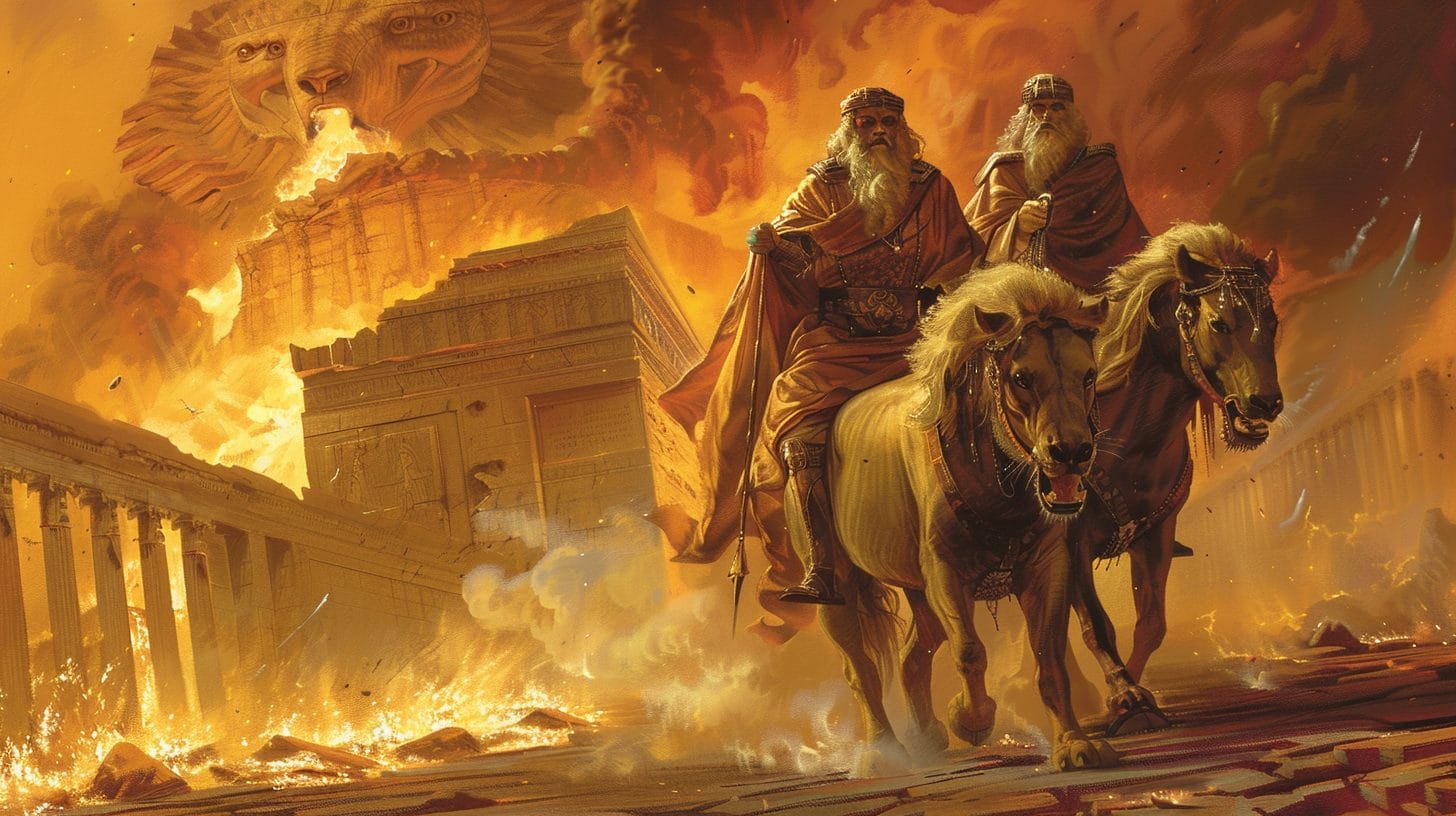
Revelation 11 describes two prophetic witnesses who minister for 1,260 days, are opposed by the beast, are killed, and are raised by God. Their identity has been debated throughout church…
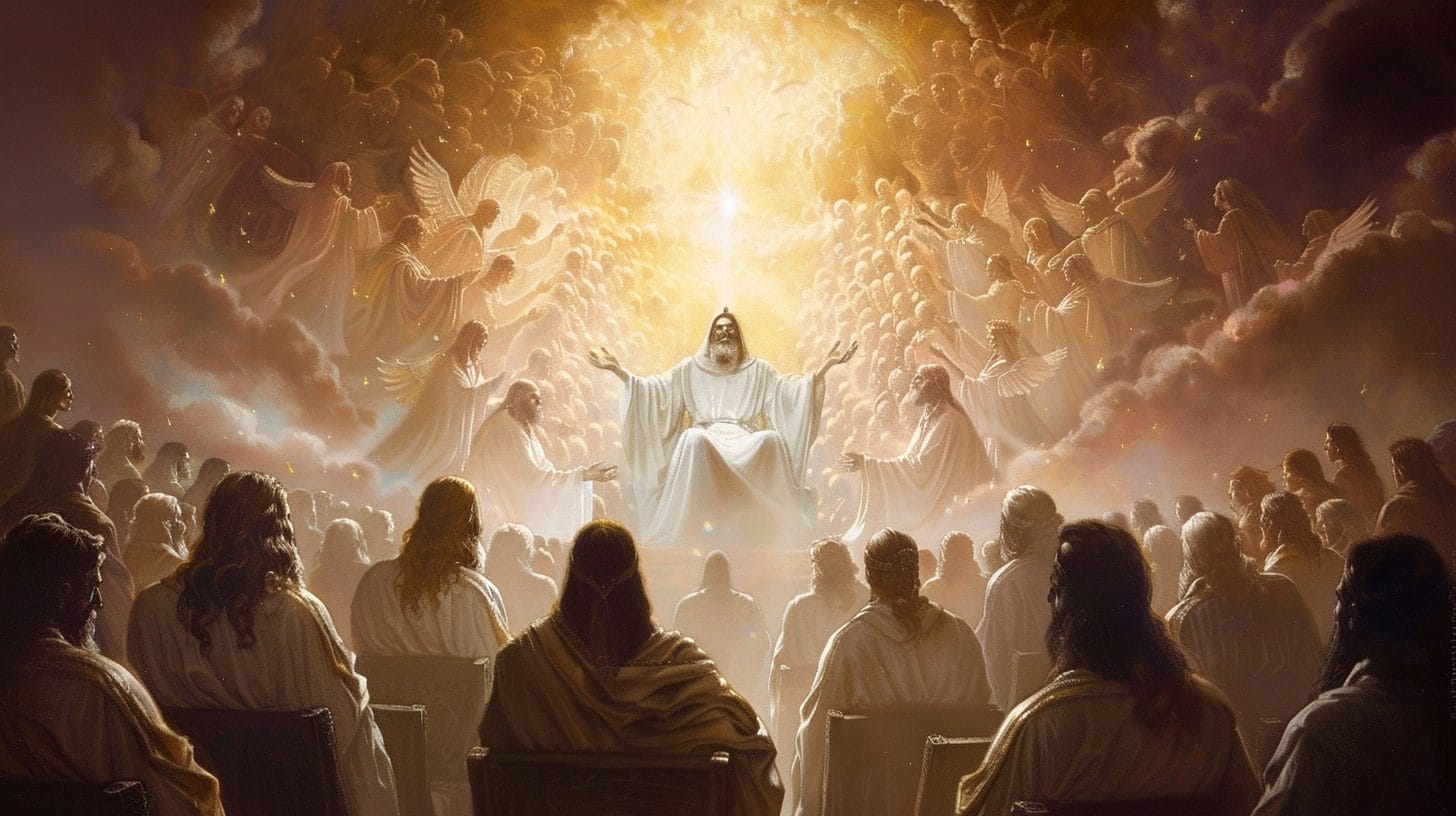
Revelation 4–5 is examined through thrones, crowns, white garments, worship, textual variants, and timing before the seals.
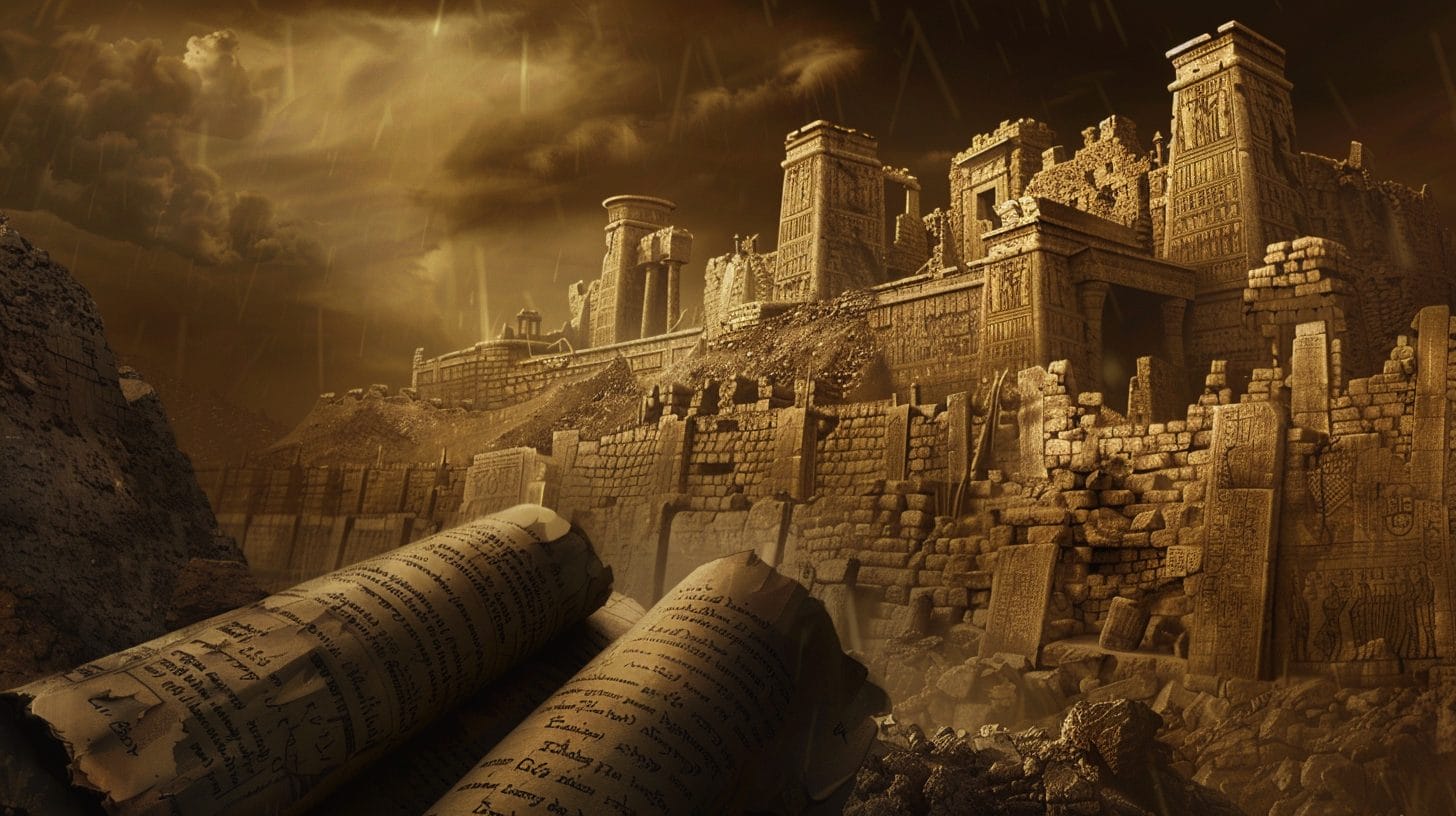
Revelation 17–18 is weighed through the woman, beast, merchants, kings, sailors, and bloodguilt to test a Jerusalem-only reading.

Isaiah 65, Romans 8, 2 Peter 3, and Revelation 21–22 are compared to distinguish present new-creation blessings from future consummation.

A practical method for reading genre, testing modern claims, using typology carefully, evaluating sources, and refusing date-setting.

John 14, 1 Thessalonians 4, Matthew 24, Revelation 19, and Titus 2 are compared to test whether one future coming can include distinguishable movements.

Old Testament day-of-the-Lord patterns, AD 70, Thessalonians, and final judgment are weighed without flattening near and future horizons.
Matthew 24’s post-tribulation gathering is compared with 1 Thessalonians 4 by timing, agents, resurrection, and pastoral purpose.

Paul’s last trumpet is compared with Revelation’s seventh trumpet by context: resurrection and transformation versus kingdom judgment.

Imminence is distinguished from date-setting by comparing expectancy, signless hope, Matthew 24, and 2 Thessalonians 2.