Bible Questions
Answers to specific questions about prophetic passages, figures, and timelines in Scripture.
Questions about prophetic figures, places, and timelines often overlap, but they do not need to be answered all at once. Choose a passage below, then follow the related study when you need its context. For a first reading of Daniel and Revelation, begin with Daniel’s seventy weeks before trying to fit every figure into a timeline.
People and Scenes in Revelation
The Twenty-Four Elders compares the case for redeemed human representatives with the angelic-council interpretation. Their identity and what their presence in heaven implies about timing are related but distinct questions. The Two Witnesses turns to Revelation 11: their ministry is described more clearly than their names, and the study separates proposed identities from their stated work.
For believers who face the beast, read Tribulation Saints and the Bride. Then The First Resurrection explains how their resurrection relates to Paul’s account of the church’s gathering. The New Heaven and New Earth follows the question beyond judgment to the promised renewal.
Daniel and the Timing Questions
Daniel’s Seventy Weeks follows Daniel’s prayer, the divisions of the seventy sevens, and the disputed final week. Read it for the reasons behind a future-week interpretation, not a prediction of the rapture’s date. The Day of the Lord compares historical judgments with the future judgment described in the New Testament.
If you are asking whether Revelation mainly describes Jerusalem’s fall, Babylon in Revelation tests that identification against the woman, beast, kings, and trading networks in chapters 17–18.
Gog, Magog, and Ancient Place Names
Read Who Is Gog and Magog Today? before the narrower studies of Meshech and Tubal and Gomer. That order introduces Ezekiel’s coalition before considering individual names and modern proposals. Similar-sounding names are not enough to identify a present-day nation.
Leave When Is the Battle of Gog and Magog? until you have compared Ezekiel 38–39 with Revelation 20. It examines whether the passages describe the same conflict or distinct events, including how the competing timelines handle the aftermath.
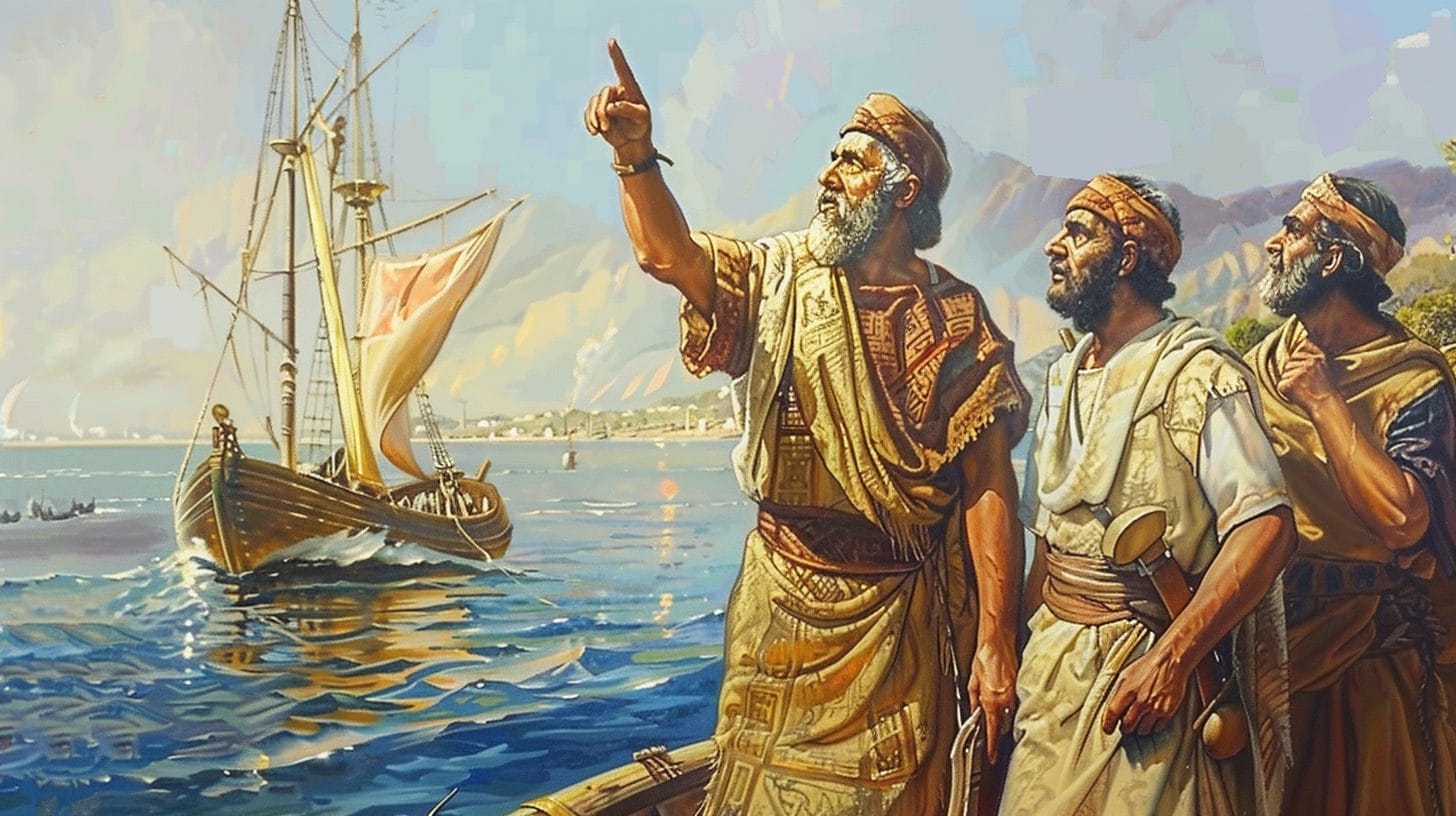
Where is Gomer Today? Tracing Biblical Prophecy to Modern Nations
Follow Gomer from Genesis 10 to Ezekiel 38, and compare ancient regional identifications with claims about modern nations.
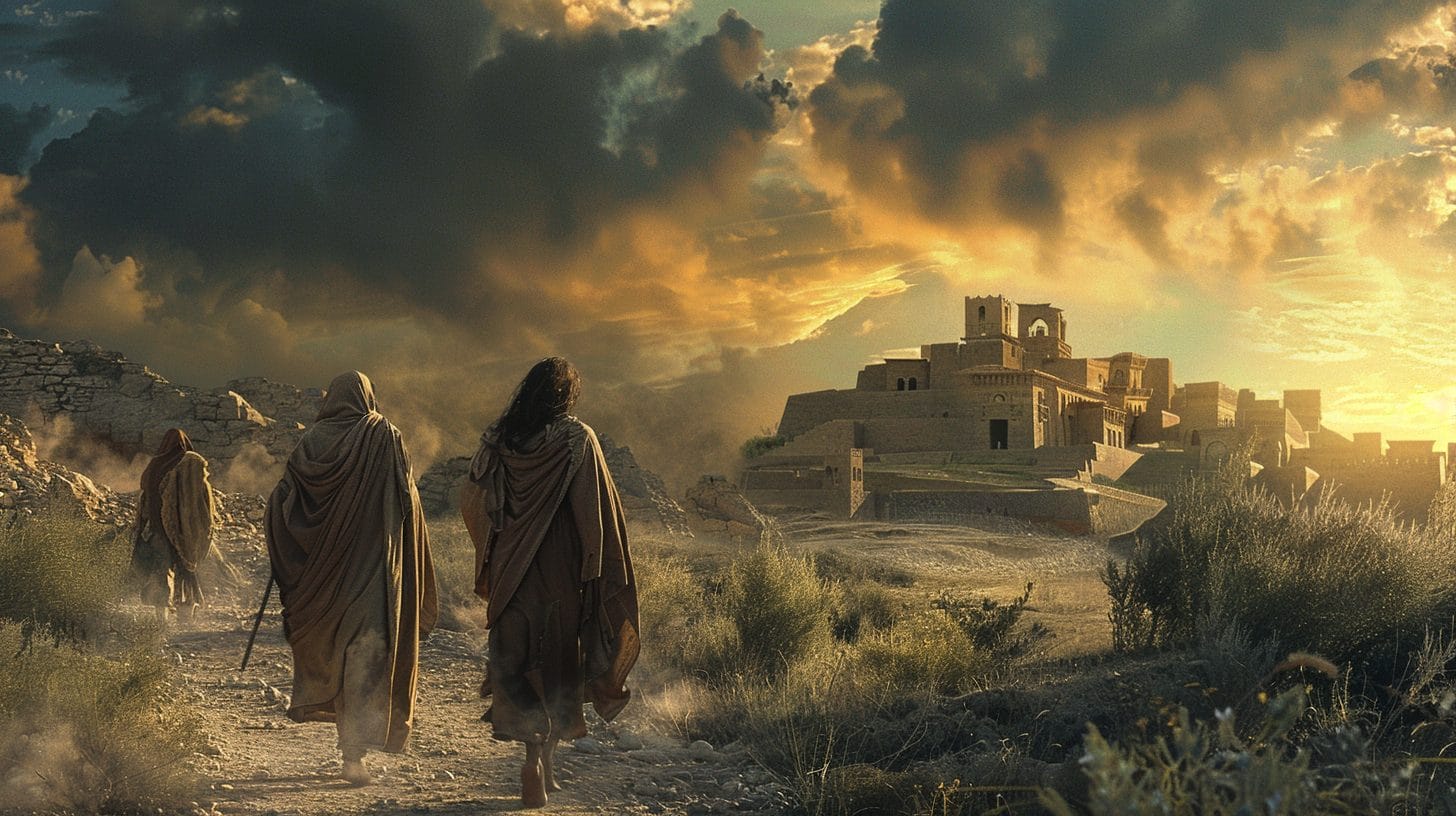
Where is Meshech and Tubal Located Today?
Read Meshech and Tubal in Genesis and Ezekiel, including why similar-sounding modern place names are not sufficient identification.
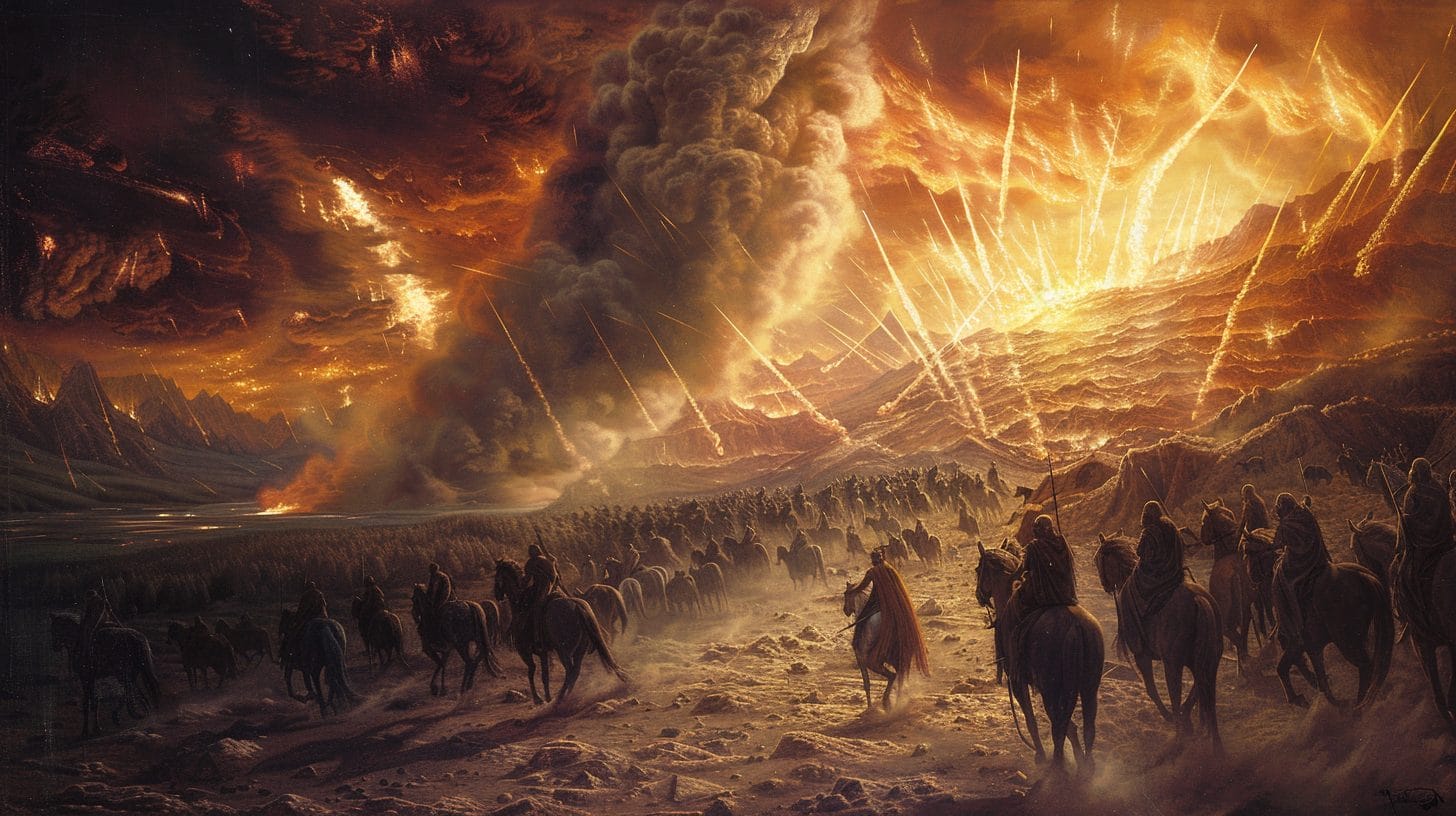
When is the Battle of Gog and Magog?
Compare the timing clues in Ezekiel 38–39 with Revelation 20 and see how the main views handle the battle’s aftermath.
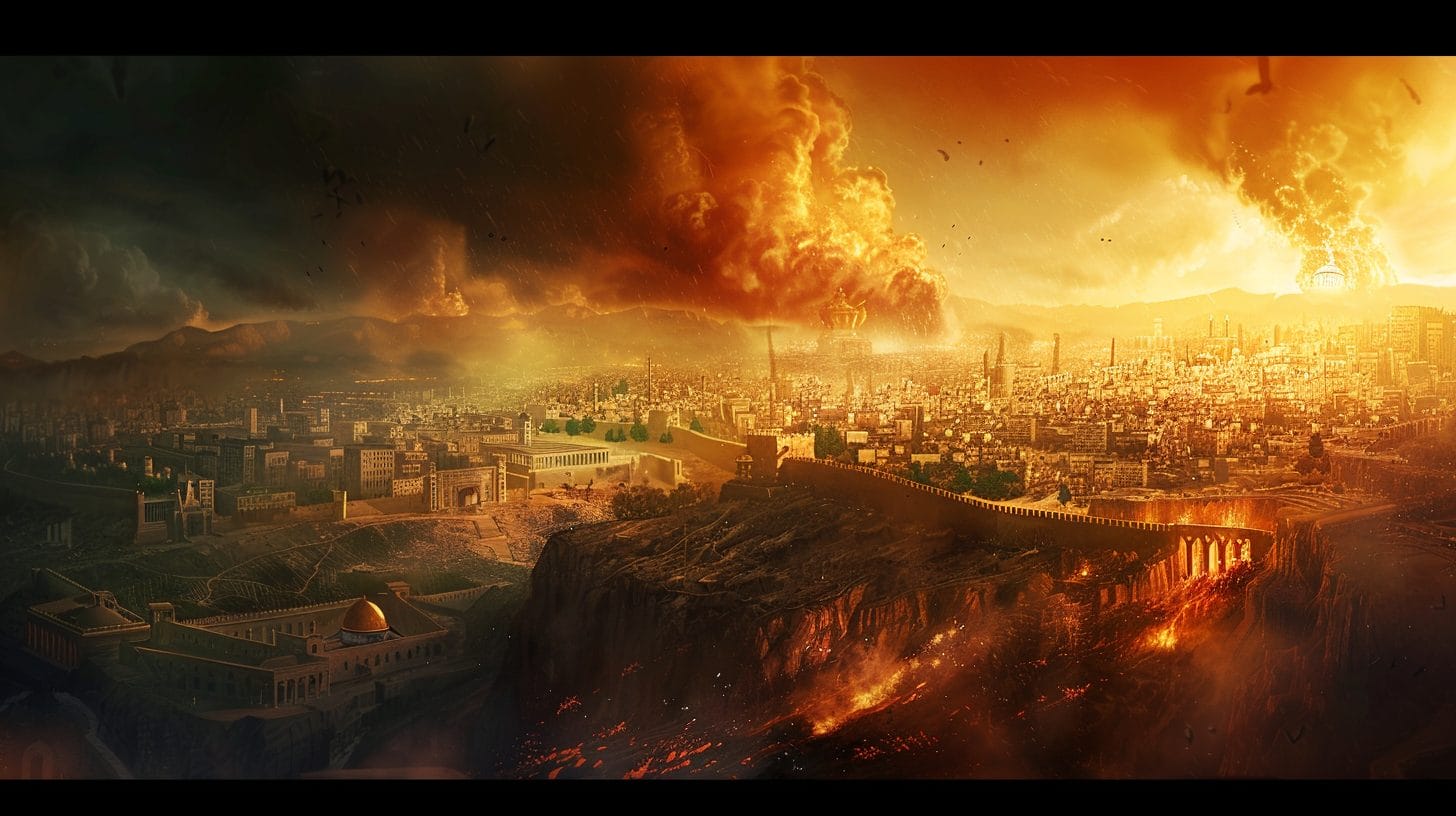
Who is Gog and Magog Today? Understanding Biblical Prophecy
Ezekiel 38–39, Genesis 10, and Revelation 20 are compared before making cautious claims about Gog, Magog, and modern nations.

How Long Are Daniel’s Seventy Weeks?
Daniel 9 is read from Daniel’s prayer through Gabriel’s seventy sevens, showing how Israel, Jerusalem, Messiah, and the final week shape the timeline.
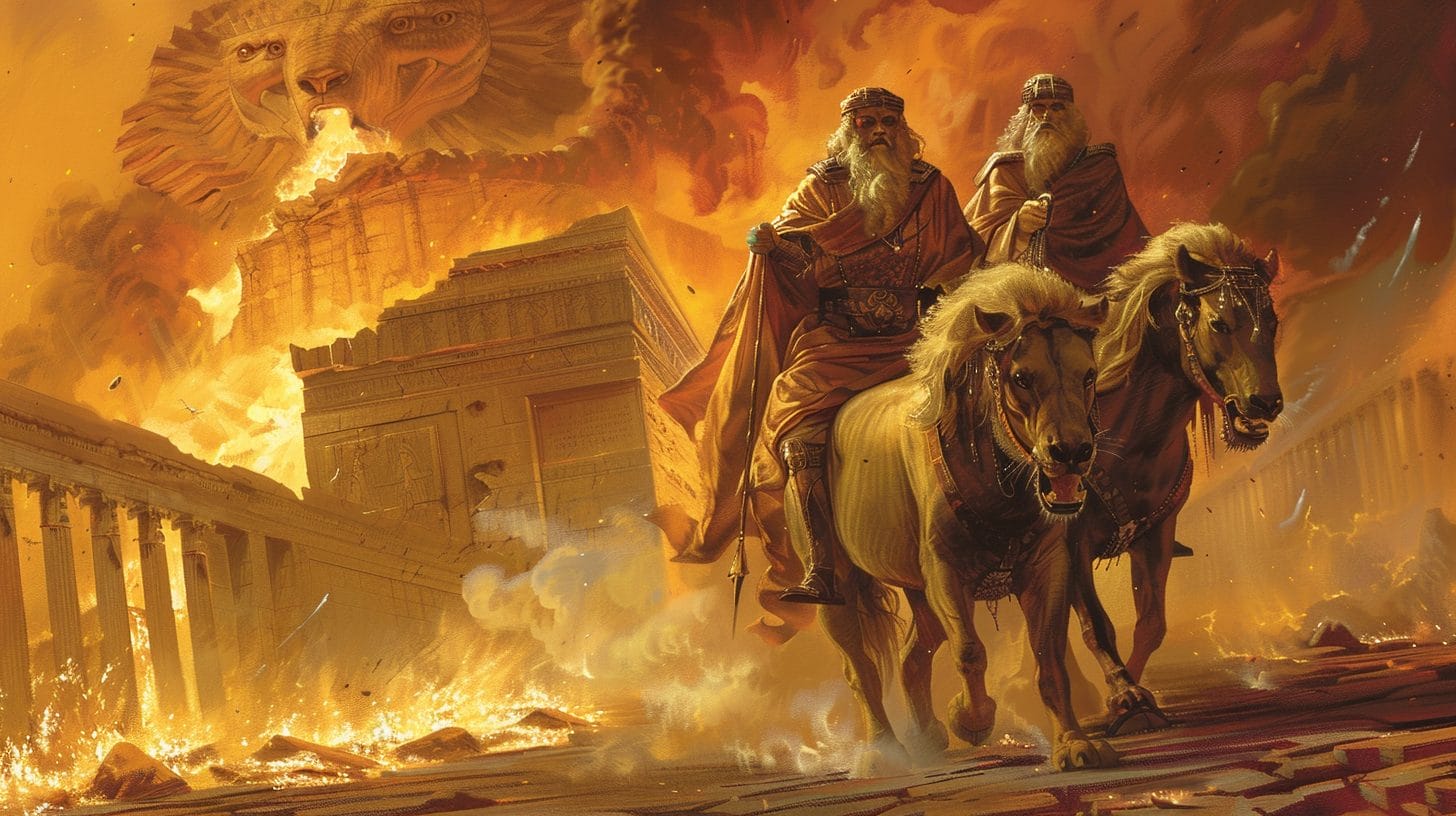
Who Are the 2 Witnesses in Revelation?
Compare proposed identities for Revelation 11’s two witnesses while following what the passage says about their ministry, death, and resurrection.
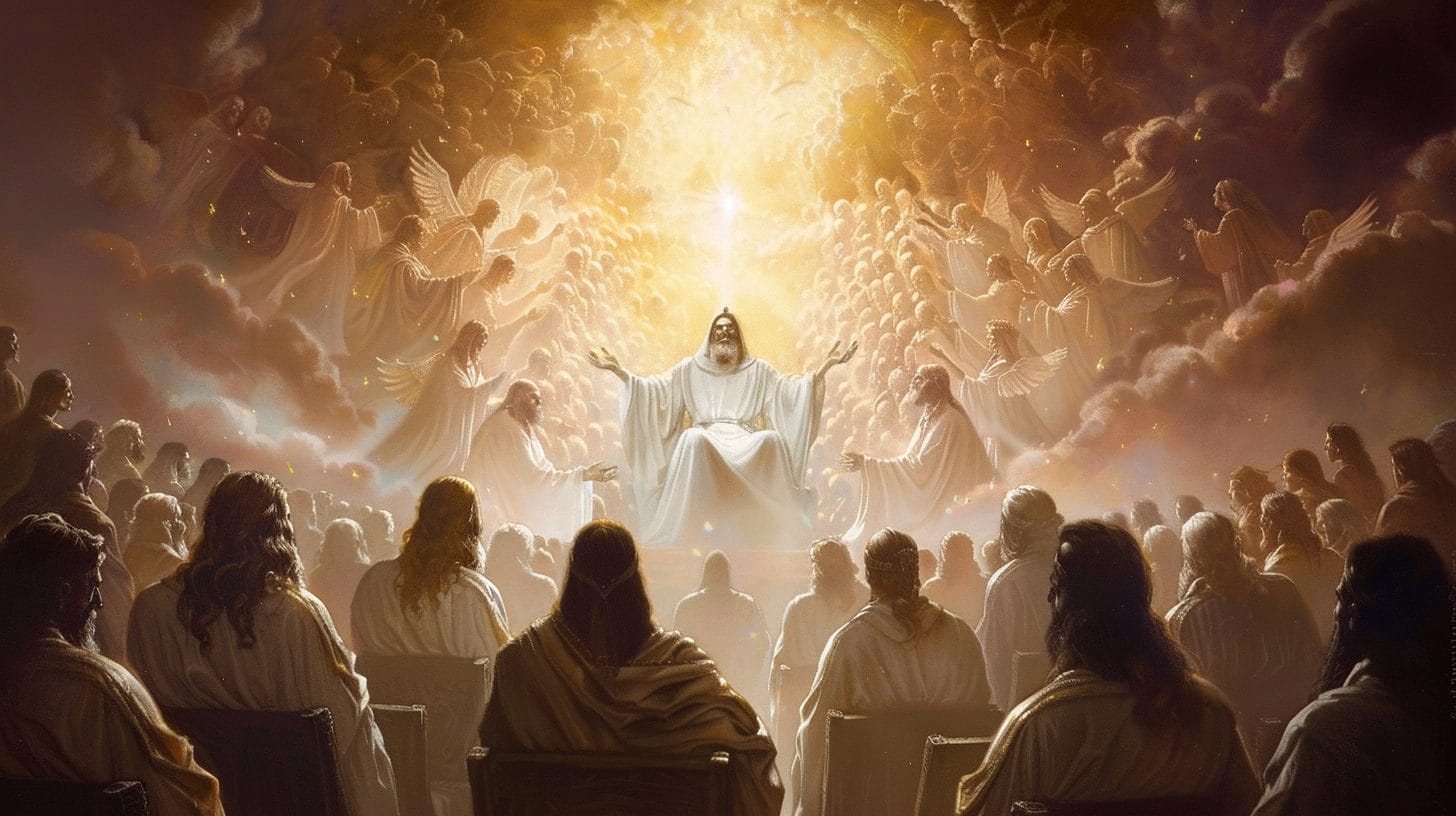
Who Are the Twenty-Four Elders in Revelation?
Revelation 4–5 is examined through thrones, crowns, white garments, worship, textual variants, and timing before the seals.