The Biblical Case
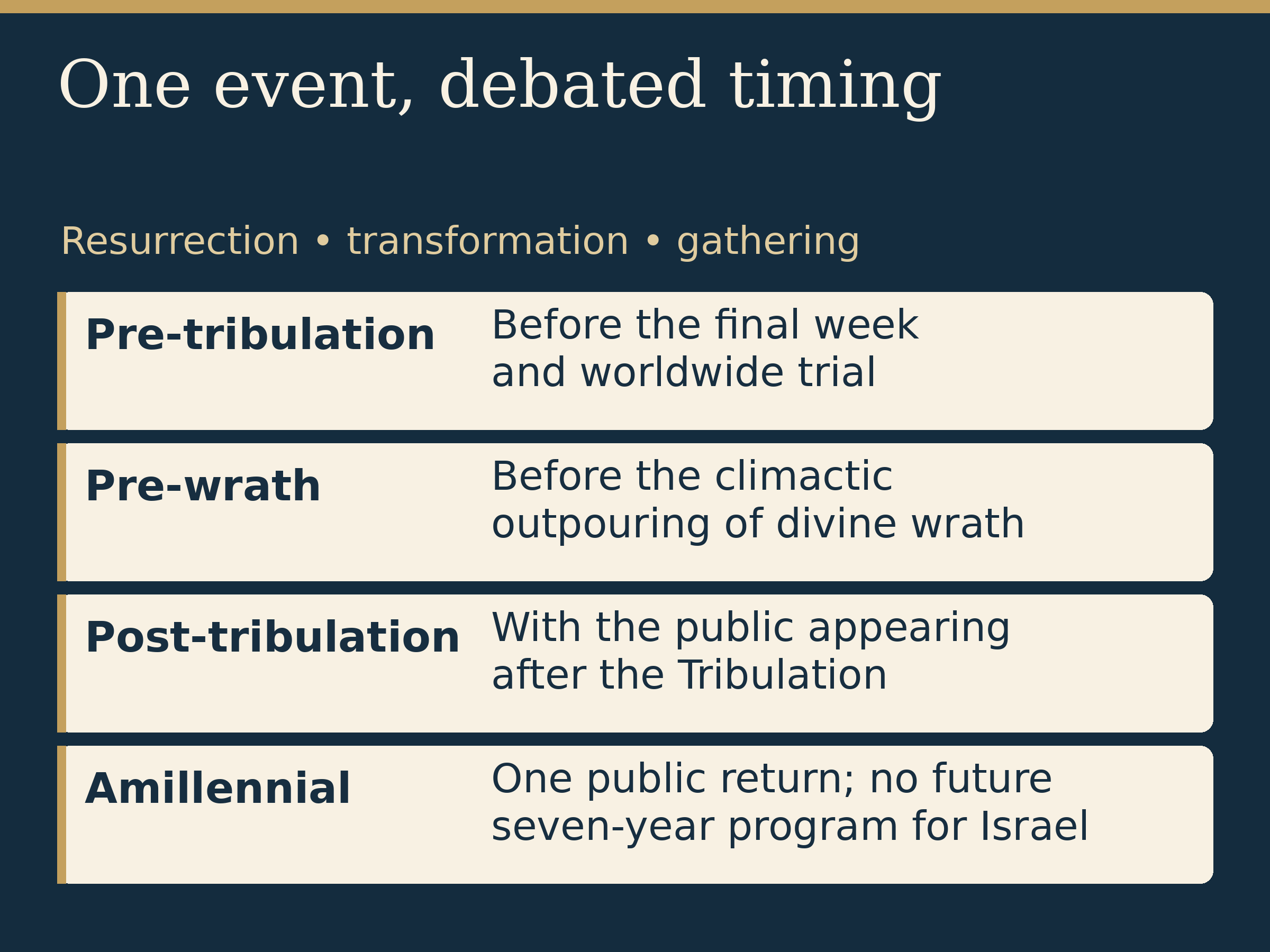
Explore the pre-tribulation rapture through Christ’s promise to receive His people, Paul’s teaching on resurrection, and the passages about coming judgment. Start with the event itself, then compare the reasons for placing it before the Tribulation with the strongest objections.
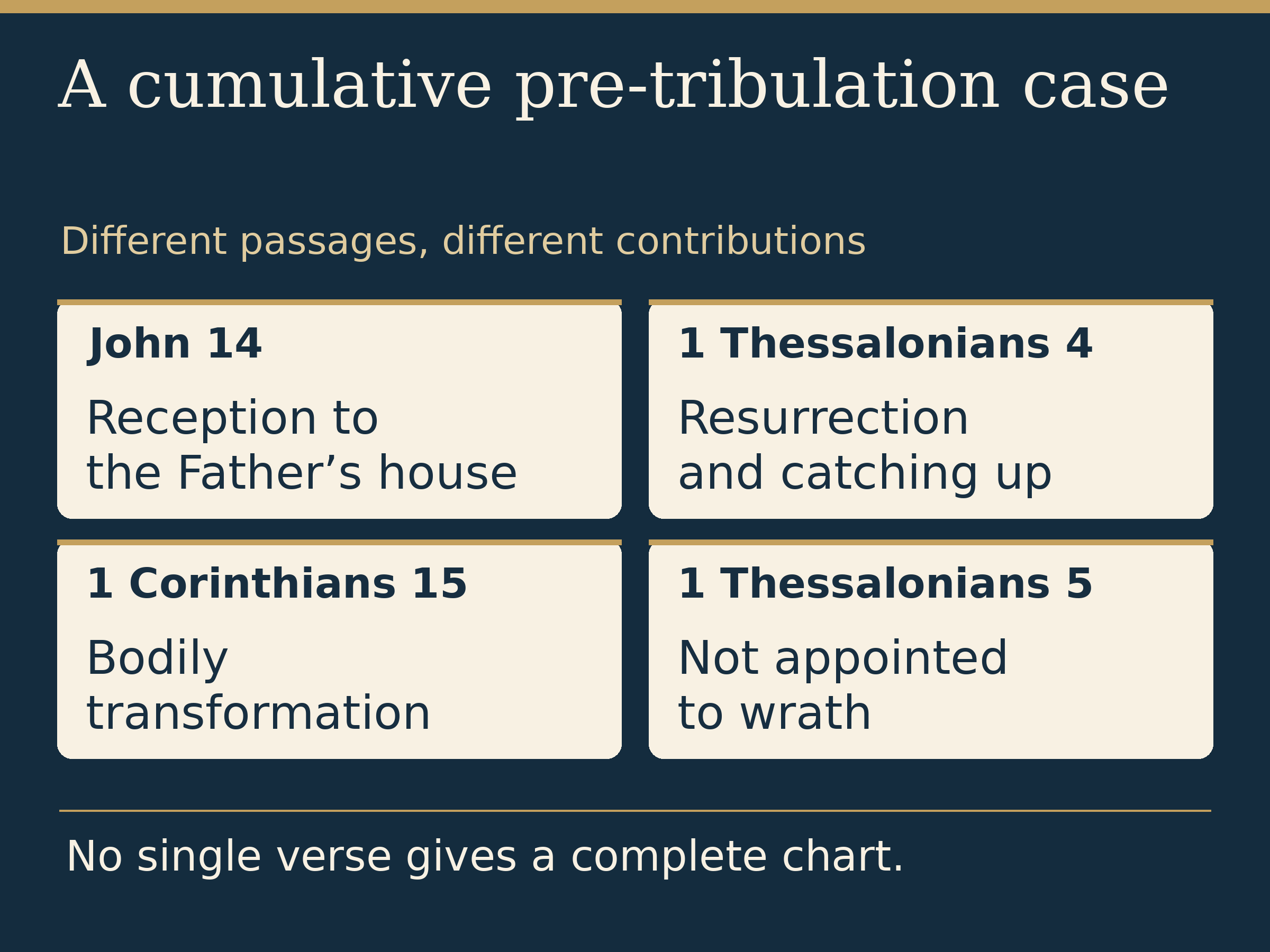
John 14:1–3 points to Christ coming to receive His people to the Father’s house.
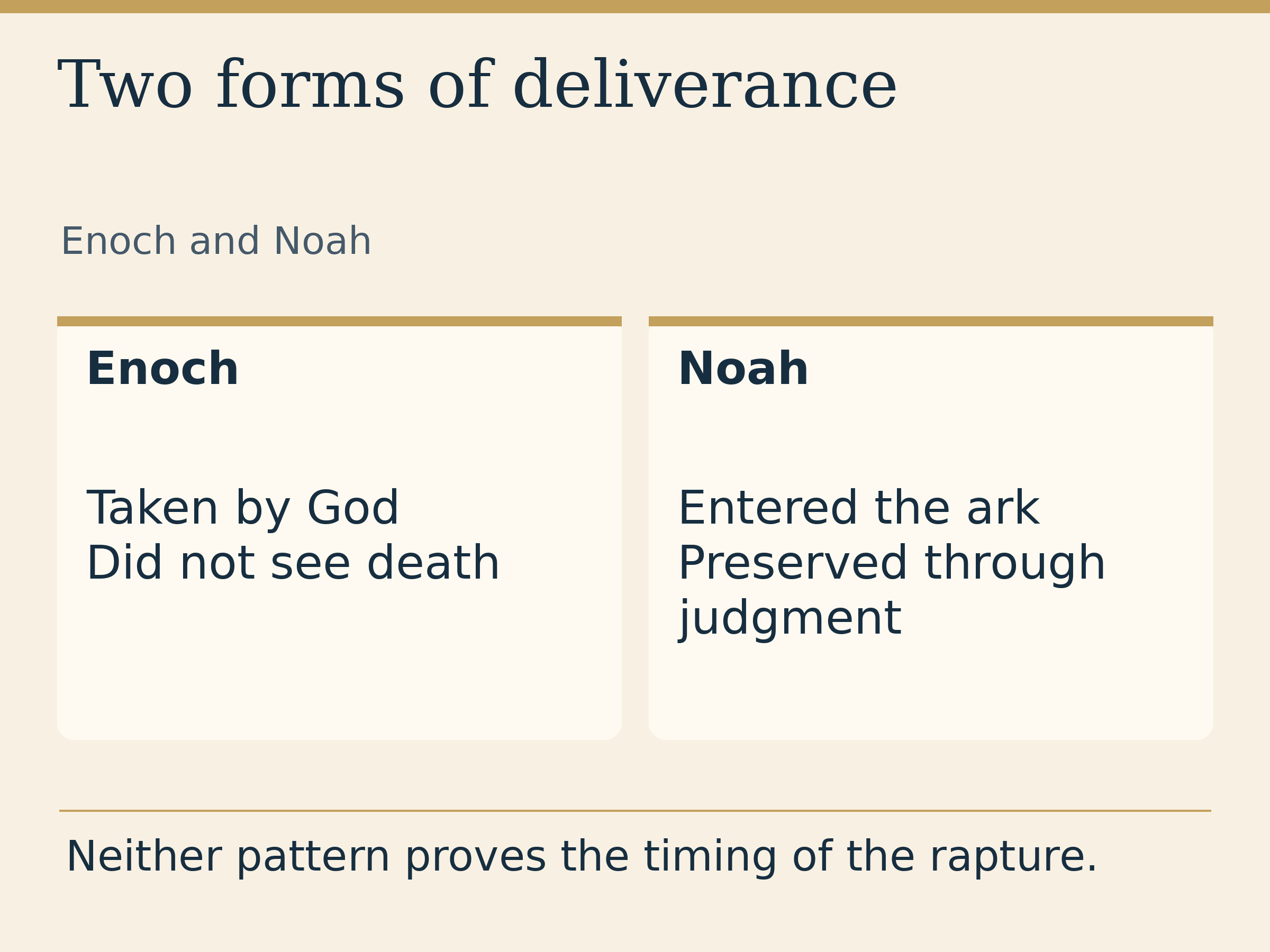
1 Thessalonians 4 and 1 Corinthians 15 describe resurrection, transformation, and meeting Christ in the air.
1 Thessalonians 5 connects watchfulness, the day of the Lord, and deliverance from coming wrath.
Revelation 3:10 raises the disputed question of removal before the testing or preservation through it.
Daniel 9:24–27 frames the final week around Israel and Jerusalem, without directly describing the rapture.
Biblical expectancy produces readiness without headline-driven speculation.
Scripture first · No date setting · Fair treatment of objections · Clear explanations
New to the pre-tribulation rapture? Follow these starting points from definition to argument to objection.
Begin with the resurrection of deceased believers and the transformation of living believers. This introduction explains the main timing views and distinguishes the church’s future hope from a promise of an easy life now.
Next, follow the argument across John 14, Thessalonians, Corinthians, Daniel, and Revelation. See how the passages fit together and why no single verse supplies the whole timetable.
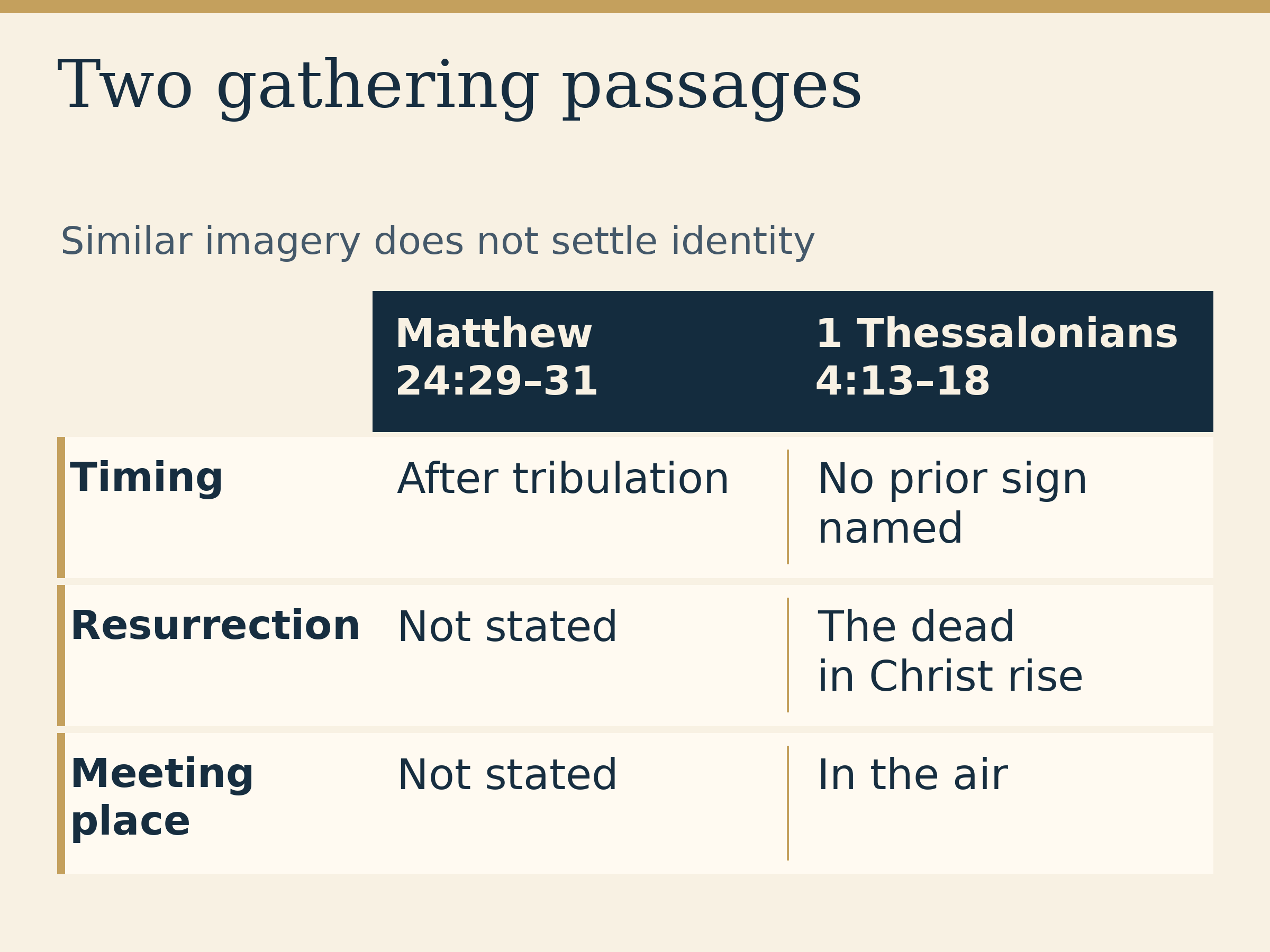
Then choose the question that most challenges your reading: Matthew 24’s gathering, the last trumpet, imminence, Greek vocabulary, tribulation saints, or the doctrine’s history. Each route leads to the relevant comparison.
Choose a passage or point of disagreement, then compare the connected texts.
Choose a subject for a guided reading path or a focused study.
Follow the introductory studies, then explore resurrection, coming wrath, and Israel’s future.
Find the specific reply to Matthew 24, the last trumpet, imminence, or a historical objection.
Begin with Ephesians 2: does unity in Christ remove Israel’s prophetic future?
Choose studies of the elders, two witnesses, tribulation saints, resurrection, and renewed creation.
Read Daniel 9’s seventy sevens and compare the arguments about whether the final week remains future.
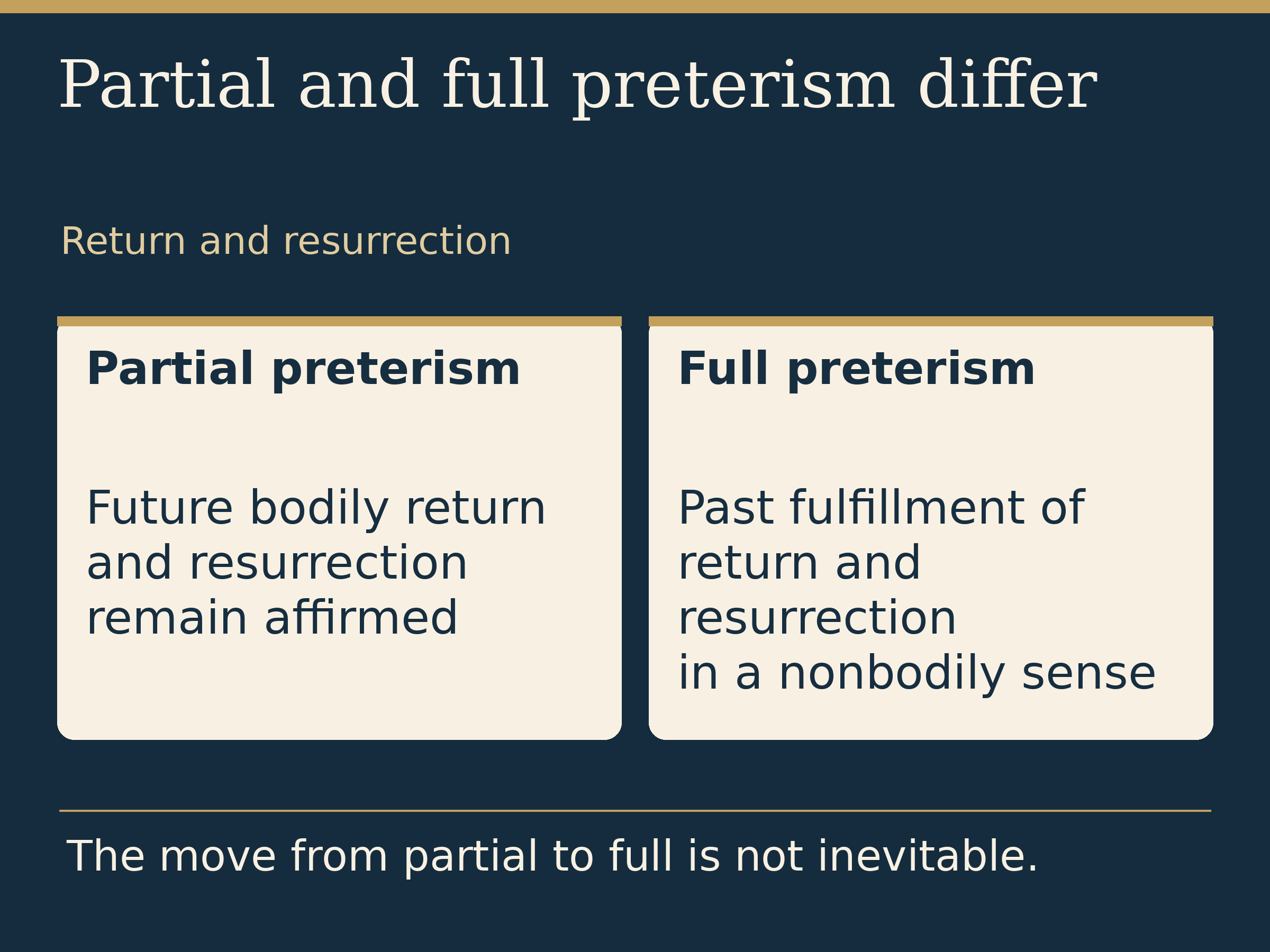
Compare first-century fulfillment with future judgment and resurrection without confusing partial and full preterism.
Test modern claims, recognize disguised date-setting, and distinguish a passage’s meaning from a proposed application.
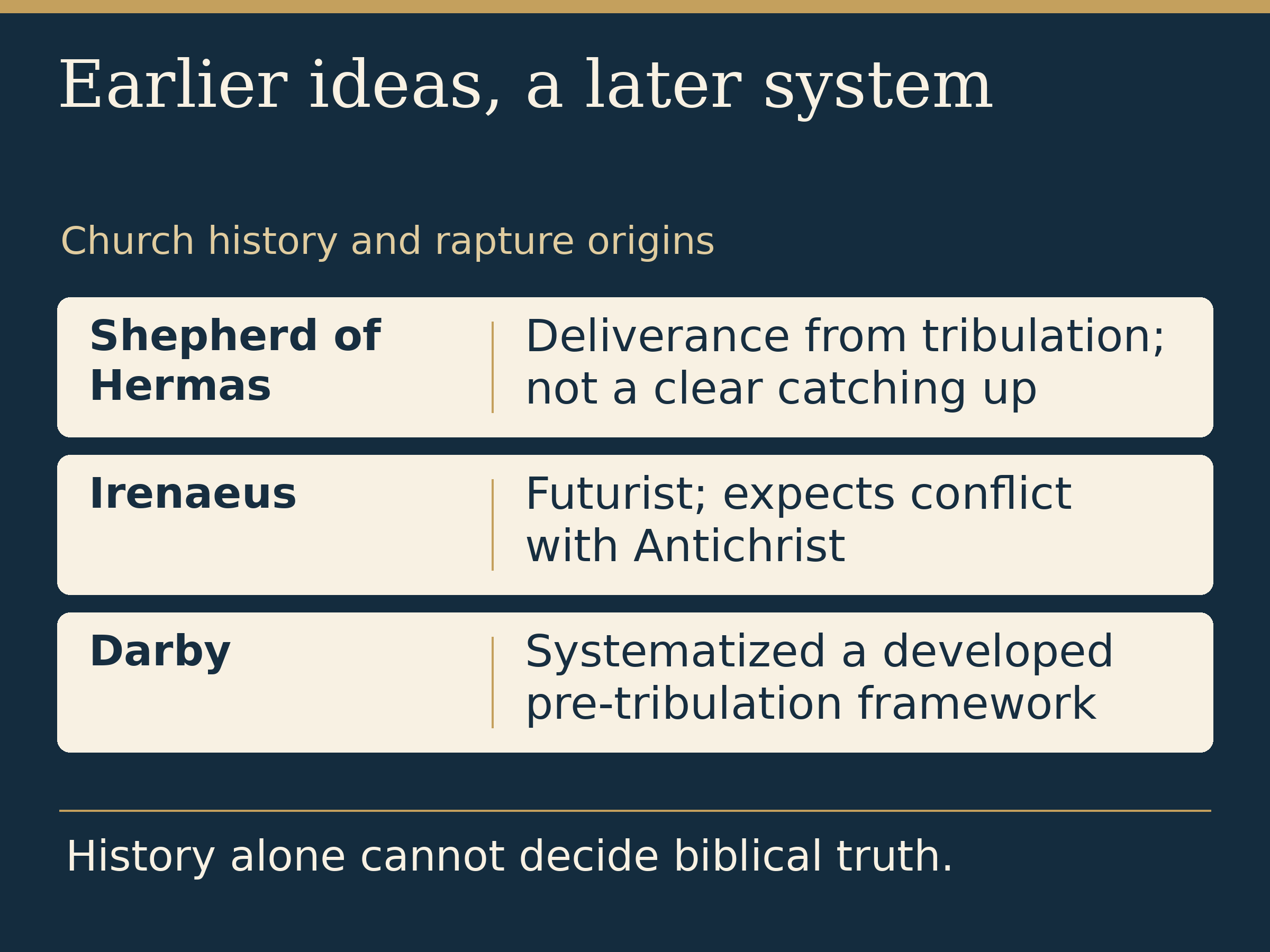
Examine pre-Darby precedents and the difference between earlier expectations and a fully developed system.
Biblical prophecy was given to strengthen faith, encourage watchfulness, and point believers toward Christ.
Visit the Complete Article Library