The Biblical Case
Scripture-centered arguments establishing the pre-tribulation rapture as a biblical doctrine.
The pre-tribulation case begins with Christ gathering His people: deceased believers rise, living believers are transformed, and both meet the Lord. The disputed question is when that gathering occurs. These studies argue for a gathering before the Tribulation by bringing the reception promises, resurrection passages, coming wrath, and Israel’s future together. If the event is familiar but the timing is not, start with the cumulative case and follow the passages where you disagree.
Start With the Event, Then Test the Timing
- What Is the Pre-Tribulation Rapture? explains who takes part, what happens, and how the main timing views differ. Begin here if the terms are unfamiliar.
- Best Case for the Pre-Tribulation Rapture connects John 14, Paul’s letters, Daniel, and Revelation. Read this next to see why the argument depends on several passages rather than one verse.
- The First Resurrection tackles a particular difficulty: how an earlier resurrection of the church could fit Revelation 20’s resurrection of the martyrs.
Israel and the Church
For the relationship between Israel and the church, read One New Man in Christ first. It asks whether Jew-Gentile unity in Ephesians 2 removes Israel’s future. Then One Olive Tree follows Paul’s natural and grafted branches in Romans 11. Romans 4 and the Land Promise takes up the narrower question of whether Abraham’s worldwide inheritance cancels the particular land promise.
Follow the Questions the Overview Raises
Daniel’s Seventy Weeks explains the argument for a future final week; Daniel does not directly describe the rapture. The Day of the Lord examines the judgment passages, while Tribulation Saints and the Bride asks who the believers in Revelation’s judgment scenes are.
Keep the final hope in view with The New Heaven and New Earth. For help comparing interpretations, How to Study Bible Prophecy Without Sensationalism offers practical questions about context, symbols, and modern claims. When you reach a disputed passage, use Common Objections to examine the alternative reading rather than skipping it.
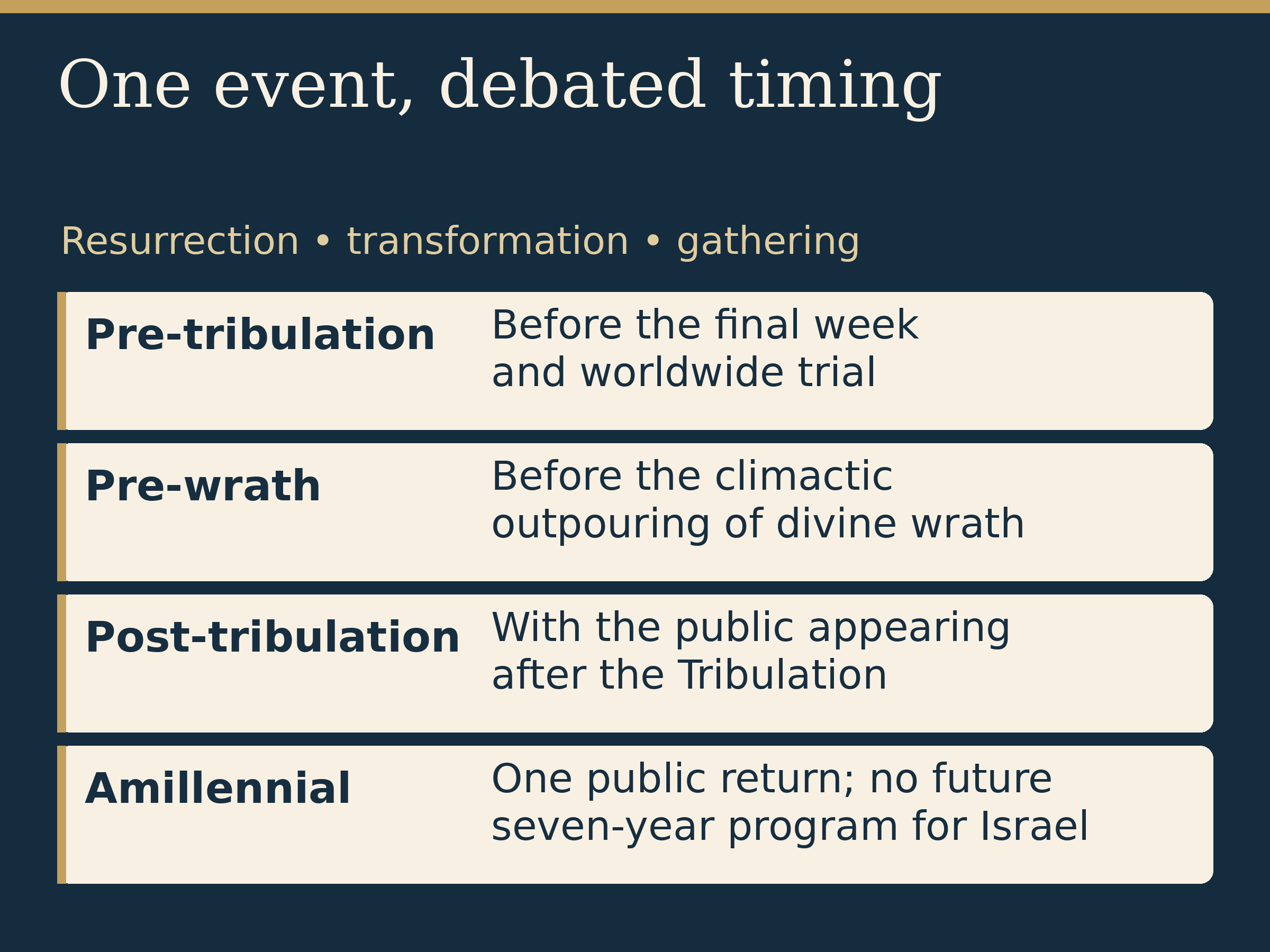
What Is the Pre-Tribulation Rapture?
A clear definition of the rapture, its participants and purpose, the main timing views, and the passages that shape the pre-tribulation case.
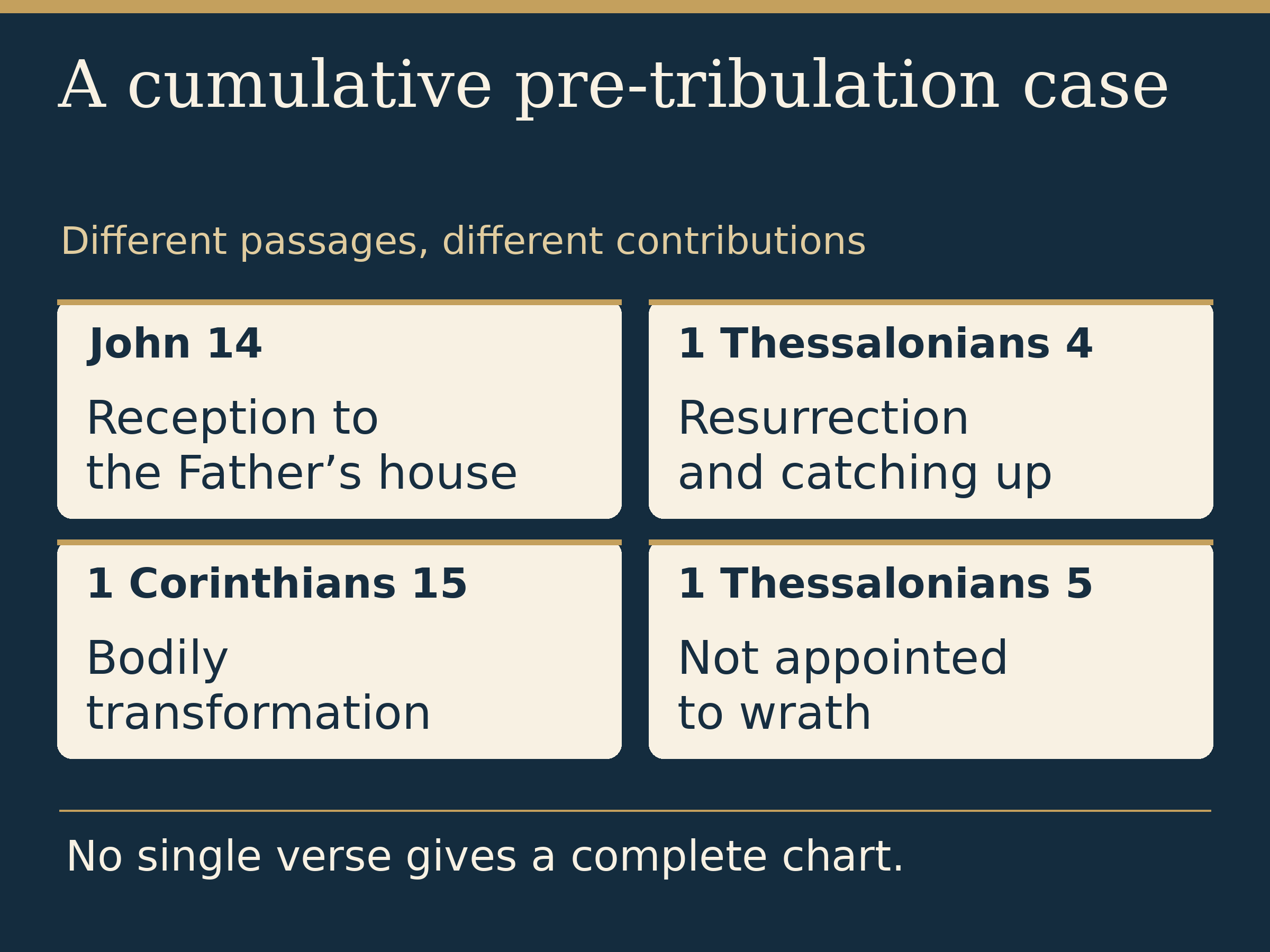
Best Case for the Pre-Tribulation Rapture
A cumulative case from John 14, Thessalonians, Corinthians, Daniel, Revelation, and Romans, with replies to five major objections.
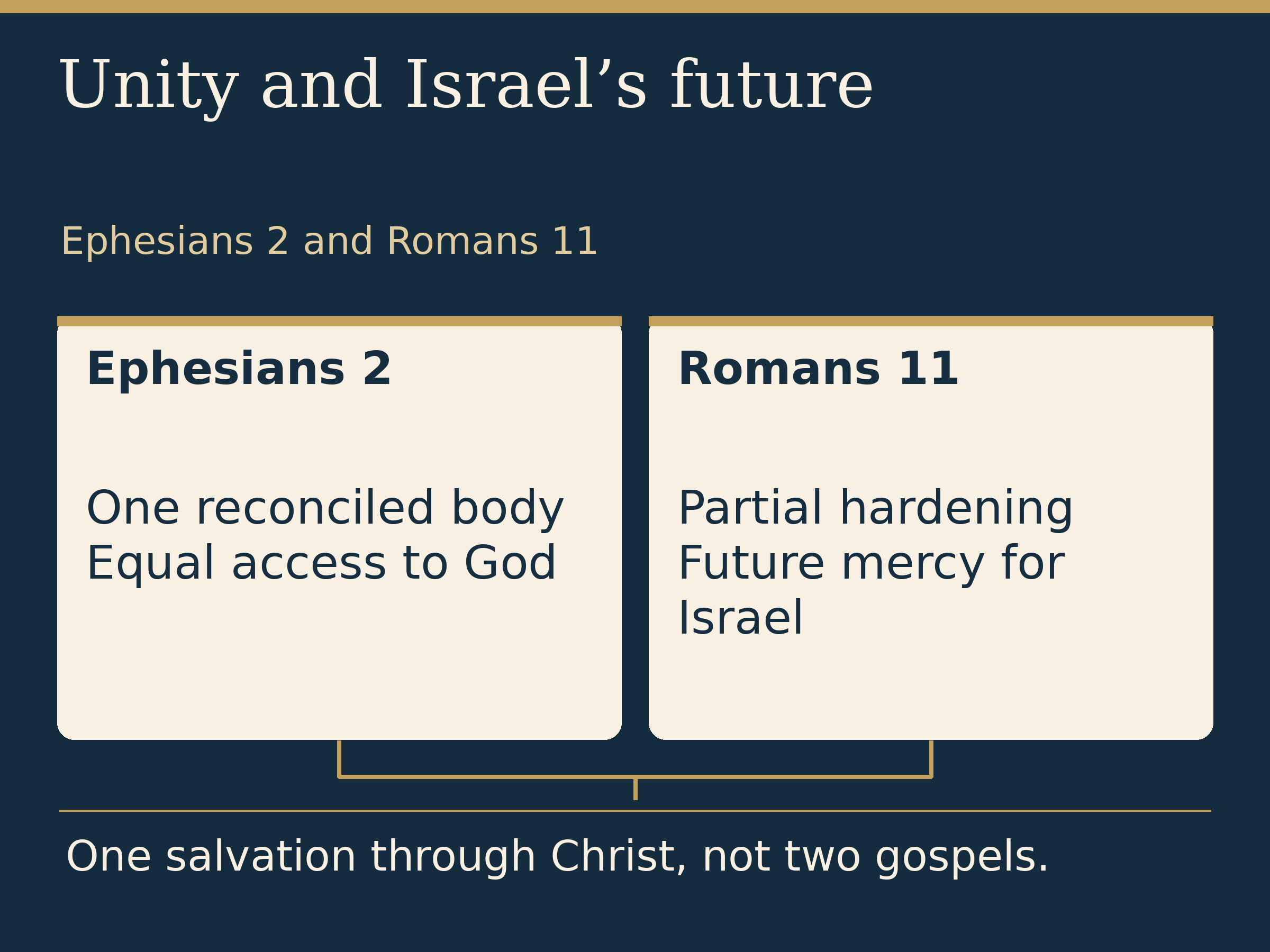
One New Man in Christ: Does Ephesians 2 Erase Israel's Prophetic Future?
Ephesians 2 is read for Jew-Gentile unity in Christ while asking whether unity cancels Israel’s prophetic future.
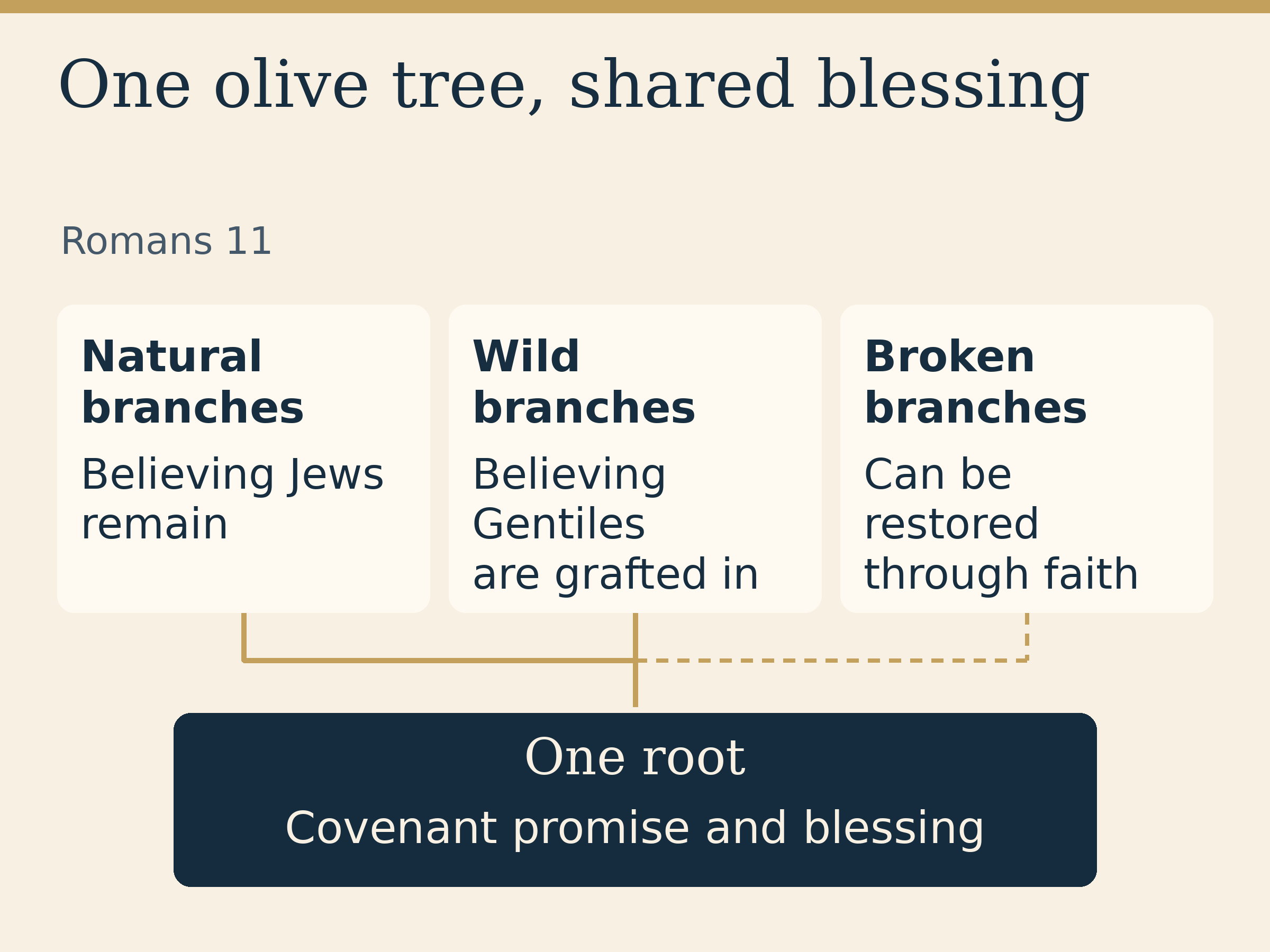
One Olive Tree: Has the Church Replaced Israel in Romans 11?
Romans 11’s olive tree, hardened Israel, grafted Gentiles, and “all Israel” are weighed against replacement-theology claims.
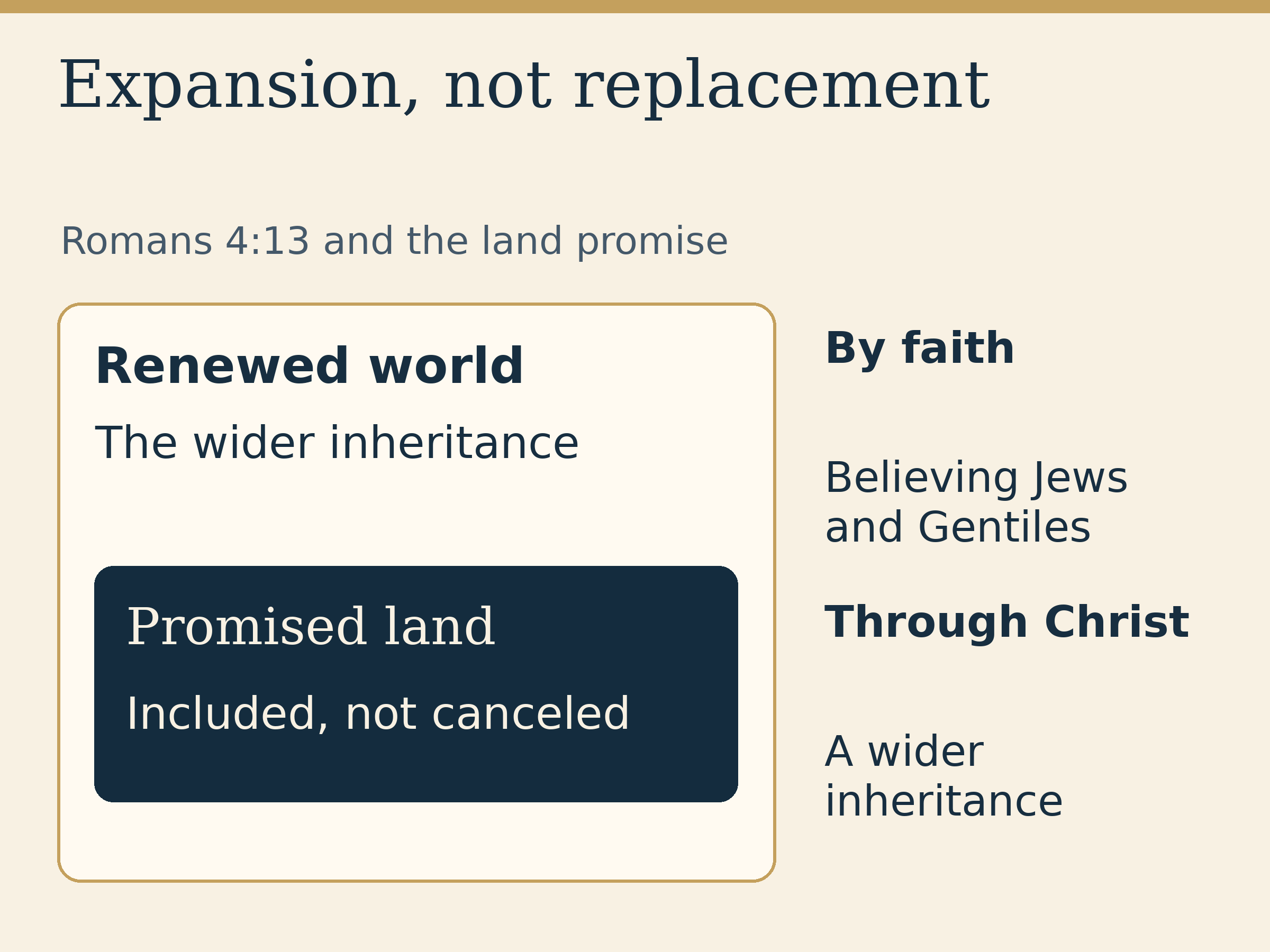
Did Romans 4:13 Replace Israel's Land Promise With the Whole World?
Romans 4:13 is tested to see whether Abraham inheriting the world expands Israel’s land promise or cancels it.
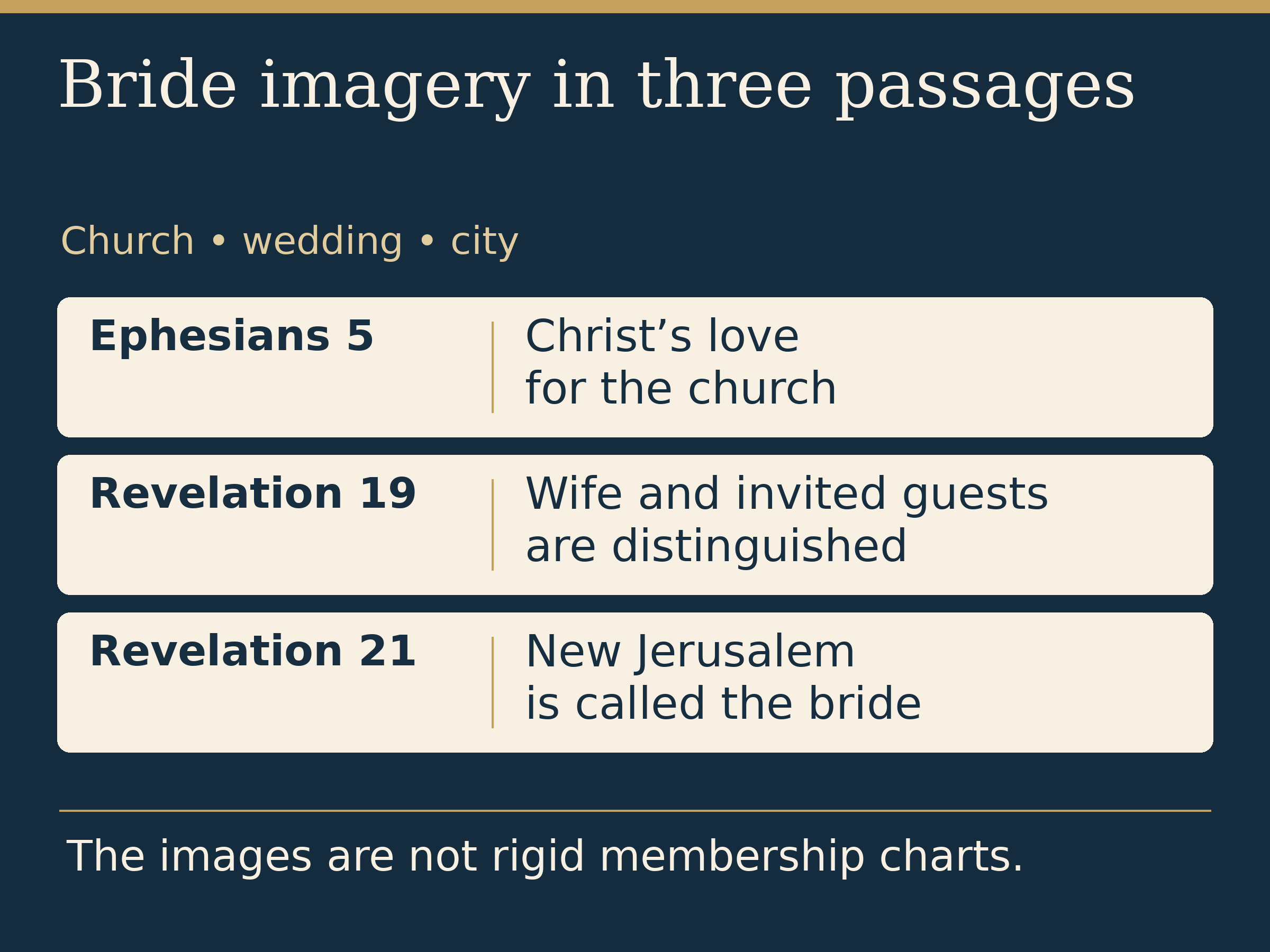
Are Tribulation Saints Part of the Church and the Bride of Christ?
Revelation’s saints, church, bride, and martyrs are distinguished so post-rapture salvation is not confused with the church’s present calling.

The New Heaven and New Earth: Present Reality or Future Hope?
Isaiah 65, Romans 8, 2 Peter 3, and Revelation 21–22 are compared to distinguish present new-creation blessings from future consummation.

How to Study Bible Prophecy Without Sensationalism
A practical method for reading genre, testing modern claims, using typology carefully, evaluating sources, and refusing date-setting.

The Day of the Lord: First-Century Judgment or End-Times Event?
Old Testament day-of-the-Lord patterns, AD 70, Thessalonians, and final judgment are weighed without flattening near and future horizons.